
Why Follow-Up Visits Matter: Your Healthcare Is About More Than a Prescription
At To Your Health and Wellness, we believe great healthcare isn’t just about prescribing medication. It’s about finding the right treatment, addressing challenges along the way, and helping you reach your health goals safely and successfully.
We understand that life is busy, healthcare costs matter, and sometimes you just have a quick question. Maybe you’ve started a new medication and are experiencing an unwanted side effect. Maybe you’re wondering whether you should continue taking it. Or perhaps you’ve already decided the medication isn’t for you and don’t see the point in paying for another appointment.
These are understandable concerns, and they’re exactly why we want to talk about the importance of follow-up visits.
A Follow-Up Visit Is More Than a Medication Refill
One of the biggest misconceptions about follow-up appointments is that they’re only necessary when you need another prescription.
But your healthcare involves so much more than that.
When we prescribe a medication or recommend a treatment plan, that’s often just the beginning of the process.
A follow-up visit gives us the opportunity to:
- Evaluate your response to treatment. Is the medication actually helping you achieve the intended results?
- Discuss side effects. Are you experiencing symptoms that might require a dose adjustment, a different medication, or further evaluation?
- Review your progress. Are we moving closer to your health goals, or do we need to change direction?
- Explore alternatives. If your current treatment isn’t working for you, what other options might be appropriate?
- Make informed decisions together. We want you to understand your options and feel confident about your healthcare decisions.
Sometimes the most valuable outcome of a follow-up visit isn’t continuing a medication. It’s recognizing that a different approach would be better.
“But I Just Have a Quick Question…”
We hear this often, and we truly understand.
You may be wondering, “If I’m having a side effect and don’t want to continue the medication, why do I need another appointment?”
Here’s why.
What seems like a simple question can actually involve several important medical considerations.
For example, when someone experiences a medication side effect, we may need to consider:
- Is the symptom actually related to the medication?
- Is it a common, temporary side effect or something more concerning?
- Would adjusting the dose or timing help?
- Could another medication or health condition be contributing?
- Is there a safer or more effective treatment option?
- What happens if the medication is discontinued?
These questions aren’t always safely answered with a quick yes or no.
They require medical judgment, an understanding of your health history, and sometimes additional evaluation.
A question may be quick to ask, but that doesn’t always mean the answer is simple.
Of course, we also recognize that some medication concerns require immediate attention. If you’re experiencing a potentially serious reaction, please contact our office promptly for guidance about the appropriate level of care. Severe symptoms may require emergency evaluation rather than waiting for a scheduled appointment.
Deciding Not to Continue a Medication Doesn’t Mean Your Healthcare Journey Is Over
This is something we’re especially passionate about.
Let’s say you started a medication to help with weight management, blood pressure, hormone-related symptoms, or another health concern.
You experience side effects and decide the medication may not be right for you.
That’s okay!
But what about the original reason you sought treatment?
Your health goals still matter.
Maybe we can adjust the dosage. Maybe another medication would be better tolerated. Maybe we need to revisit nutrition, sleep, stress, physical activity, or other lifestyle factors.
And sometimes, the safest decision is to discontinue a treatment altogether.
The goal was never simply to keep you on a medication. The goal was to improve your health.
That’s an important distinction.
You’re Paying for Medical Care, Not Just a Prescription
We believe in being transparent about the value of healthcare.
When you schedule a follow-up appointment, you’re not simply paying for a refill, a medication adjustment, or a few minutes of conversation.
You’re receiving an individualized medical assessment, clinical expertise, treatment recommendations, and a plan for moving forward.
That expertise matters whether the decision is to continue a medication, change it, stop it, or explore an entirely different approach.
We also understand that healthcare needs to be affordable. That’s why we work to provide accessible care while maintaining the quality and safety our patients deserve.
Affordable healthcare should never mean rushed healthcare or cutting corners when it comes to your safety.
Our Approach: Prevention, Partnership, and Personalized Care
At To Your Health and Wellness, our approach is centered on prevention-focused primary care, metabolic health, and lifestyle medicine.
We don’t believe every health concern needs another prescription.
We also don’t believe that one treatment plan works for everyone.
We believe in listening, educating, evaluating, and adjusting our recommendations based on your individual needs.
Sometimes that means medication. Sometimes it means lifestyle changes. Often, it’s a combination of approaches.
And sometimes, it means acknowledging that our original plan needs to change.
That’s not a failure of treatment. That’s part of providing thoughtful, personalized healthcare.
Your Health Is Worth the Follow-Up
We know appointments take time and money, and we never want patients to feel that we’re recommending visits without a purpose.
But follow-up care is an essential part of responsible medical treatment.
It’s how we monitor your progress, identify concerns, make adjustments, and help you move toward better long-term health.
So if you’re experiencing side effects, feeling discouraged, or wondering whether your treatment is worth continuing, please don’t assume that means your options have run out.
Let’s have that conversation.
Because your healthcare shouldn’t end when a medication doesn’t work out.
Your health goals are bigger than any single prescription. And helping you reach them is why we’re here.
Let’s Work Toward Your Health Goals Together
At To Your Health and Wellness, LLC, we’re committed to providing affordable and accessible primary care and SO much more.
Whether you’re managing a chronic condition, working toward better metabolic health, exploring weight management options, or simply looking for a provider who takes the time to listen, we’re here to help.
To Your Health and Wellness, LLC
Newberry, Florida
Call: 352-363-1034
Visit: www.toyourhealthandwellness.com
Personalized care. Thoughtful follow-up. A healthier future.


Care for the WHOLE person is what we specialize in! YES we do Primary Care!
Too Many Hands in the Healthcare Pot? Why We Believe in Caring for the WHOLE Person
By Jennifer Munksgard, MSN, APRN, FNP-BC
Owner & Provider, To Your Health and Wellness
Somewhere Along the Way, Healthcare Got Complicated.
Have you ever felt like you need a separate appointment for every single thing going on with your health?
One visit for your blood pressure.
Another for your weight.
Another for your hormones.
Another for fatigue.
And maybe another appointment just to figure out why you’re taking half the medications you’re taking!
Sound familiar?
Here’s something I’ve always believed:
It’s a whole lot easier to take care of the whole person when there aren’t so many hands in the healthcare pot!
And yes, that’s probably another one of those things that just comes flying out of my mouth. 😂
But I mean it.
Because your body doesn’t operate as a collection of separate problems.
And your healthcare shouldn’t treat it that way.
Your Health Doesn’t Fit Into a 15-Minute Box.
Traditional primary care providers often work within healthcare systems that place enormous demands on their time.
Short appointments. Insurance requirements. Documentation. Scheduling restrictions. Pressure to address only one or two concerns during a visit.
And let me be clear: I know there are wonderful providers doing their absolute best within those systems.
But sometimes the system itself makes comprehensive care difficult.
You come in for blood pressure, but you’re also exhausted, gaining weight, sleeping poorly, and struggling with stress.
Those concerns might end up being addressed across several different visits.
But what if they’re connected?
What if addressing one issue without understanding the others means we’re missing an important part of the picture?
That’s where I believe a more comprehensive approach makes a difference.
At To Your Health and Wellness, We WANT to Know the Whole Story.
One of the things I’m most proud of is that more and more of our patients are choosing us for their primary care.
And I absolutely LOVE that.
Because when we’re involved in your overall health, rather than seeing you for just one isolated concern, we have an opportunity to understand so much more.
We get to know your history.
Your medications.
Your lifestyle.
Your family history.
Your struggles.
Your goals.
And most importantly, how all those pieces fit together.
Maybe you came to us originally for weight loss.
But during your evaluation, we identify concerns about your blood pressure, blood sugar, sleep, or cardiovascular risk.
Maybe you came in because you’re exhausted, and we discover several lifestyle and medical factors contributing to how you’re feeling.
Maybe you’ve been taking multiple medications for years and haven’t had an opportunity to review whether they’re all still appropriate.
These aren’t necessarily separate problems. They may be pieces of the same puzzle.
And we want to help you put those pieces together.
Sometimes Too Many Hands in the Pot Means Nobody Sees the Whole Picture.
Specialists play an incredibly important role in healthcare. There are absolutely times when you need a cardiologist, endocrinologist, gastroenterologist, or another specialist.
And when you do, we want you to have access to that expertise.
But I also believe someone needs to be looking at the entire picture.
Because when care becomes fragmented, important details can sometimes get lost.
Medications prescribed by different providers may interact.
Recommendations from one specialist may affect another medical condition.
Testing may be duplicated.
And patients can end up feeling like they’re responsible for coordinating everything themselves.
That’s why having a primary care provider who understands your overall health is so valuable.
We want to be that central point of care.
The provider who knows your history, reviews your medications, follows your progress, and helps coordinate care when specialists are needed.
Not because we believe we can or should do everything ourselves.
But because someone should always be paying attention to how everything works TOGETHER.
We Don’t Just Treat Problems. We Look for Opportunities to Prevent Them.
Here’s where my passion for primary care really comes in.
I don’t want to wait until you’re diagnosed with diabetes to start talking about metabolic health.
I don’t want to wait until your blood pressure has been uncontrolled for years to discuss cardiovascular risk.
And I don’t want to focus exclusively on weight loss while ignoring your strength, nutrition, sleep, and overall well-being.
I want to have those conversations NOW.
Because prevention isn’t just a service we offer.
It’s the foundation of how we approach healthcare.
That means looking at your risk factors, identifying concerns early, recommending appropriate screenings, and helping you make realistic changes that support long-term health.
And yes, sometimes that includes medications.
But sometimes the most important things we can do involve education, lifestyle changes, follow-up, and simply taking the time to connect the dots.
We Prefer to Be Your Primary Care Provider. Here’s Why.
I think some people still see To Your Health and Wellness as a place for weight loss, hormone management, or other wellness services.
And yes, we provide those services.
But we’re also a primary care practice.
And quite frankly, we LOVE being your primary care provider.
Because the more we understand about your overall health, the better positioned we are to make thoughtful, individualized recommendations.
We can evaluate how your medications, chronic conditions, lifestyle, and treatment goals influence one another.
We can follow your progress over time.
We can recognize when something changes.
And we can help you decide when additional testing, treatment, or specialist care is appropriate.
That continuity matters.
It’s not about keeping every aspect of your healthcare under one roof.
It’s about making sure your healthcare has a consistent foundation and someone helping you navigate the bigger picture.
Affordable and Accessible Primary Care Shouldn’t Be Complicated.
Another thing I feel strongly about is access.
Healthcare shouldn’t feel out of reach simply because someone has a high deductible, limited insurance coverage, or difficulty getting timely appointments.
We believe patients deserve affordable, accessible options for comprehensive primary care.
And we want our patients to feel comfortable asking questions, discussing concerns, and being active participants in their healthcare decisions.
We don’t want you feeling like you’re just another appointment on the schedule.
We want you to feel heard.
We want you to understand your health.
And we want you to have a realistic plan moving forward.
Because good healthcare isn’t just about what happens during an appointment.
It’s about what that appointment helps you accomplish in your everyday life.
Our Philosophy Hasn’t Changed. Our Patients Are Just Discovering More of What We Do.
One of the most exciting things happening at To Your Health and Wellness is seeing patients recognize that we offer so much more than individual wellness services.
They’re choosing us for their ongoing primary care.
They’re trusting us with their chronic conditions, preventive screenings, medication management, and long-term health goals.
And that means everything to me.
Because this is exactly what I envisioned.
A place where healthcare could be personal.
Where prevention mattered.
Where patients were treated as whole people.
And where we could focus on building long-term relationships rather than simply addressing one problem at a time.
We didn’t suddenly decide to become a wellness-focused primary care practice because it was trendy.
This has been our philosophy all along.
One Patient. One Whole Person. One Bigger Picture.
At the end of the day, I don’t want to know just what brought you into the office today.
I want to understand what’s happening with your health and how we can help you move forward.
I want to know what matters to you.
I want to identify what we can improve, what we can prevent, and what we need to keep watching.
And I want you to have a healthcare provider who helps connect those dots.
Because you’re not just a blood pressure reading.
You’re not just a diagnosis.
You’re not just a prescription.
And you’re certainly not just a number on a scale.
You’re a WHOLE person. And that’s exactly how we believe you deserve to be cared for.
So yes, we prefer to be involved in your primary care.
Because when we understand the whole picture, we can do a better job of helping you protect your health.
And that’s what To Your Health and Wellness has always been about.
❤️ Affordable and Accessible Primary Care and SO Much More!
To Your Health and Wellness, LLC
Jennifer Munksgard, MSN, APRN, FNP-BC
Owner & Provider
📍 Newberry/Jonesville, Florida
📞 352-363-1034
🌐 www.toyourhealthandwellness.com
Looking for a primary care provider who sees the whole picture?
Whether you need ongoing primary care, chronic disease management, preventive healthcare, or help improving your metabolic health, we’re here to help you build a plan that works for your life.
Because your health deserves more than a problem-by-problem approach.


Strong Looks Good at Every Age: Discover the AccuFIT Difference
AccuFIT Muscle Toning in Newberry, FL: Strengthen, Tone & Feel More Confident at Any Age!
Lost weight? Want better muscle definition? Looking to give your fitness routine an extra boost? AccuFIT isn’t just for weight loss!
Whether you’re working toward a stronger core, maintaining your fitness as you age, preparing for a special event, or getting back into your routine after time away, sometimes your muscles need a little extra oomph!
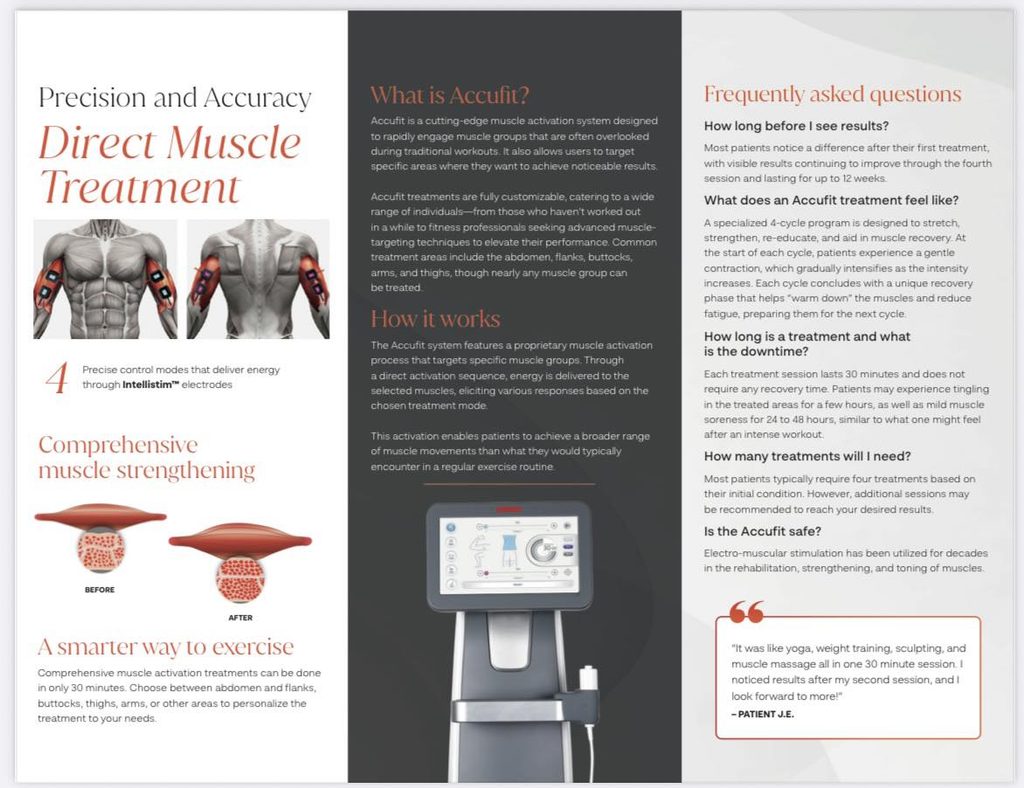
At To Your Health and Wellness in Newberry, Florida, we offer AccuFIT noninvasive muscle stimulation treatments to help you work toward your muscle-toning and body-conditioning goals.
And the best part? You don’t have to be trying to lose weight to benefit from muscle conditioning!
What Is AccuFIT Muscle Toning?
AccuFIT is a noninvasive body-contouring technology that uses electrical muscle stimulation to produce targeted muscle contractions.
These contractions are designed to activate and condition specific muscle groups, including areas such as the abdomen, glutes, and thighs.
Think of AccuFIT as an extra boost to your existing wellness routine—not a replacement for exercise, but a complementary approach to muscle conditioning.
6 Reasons People Are Exploring AccuFIT
1. Muscle Toning After Weight Loss or GLP-1 Treatment
You’ve worked hard to lose weight, but maybe you’re noticing less muscle definition than you’d hoped for.
Significant weight loss, including weight loss with medications such as semaglutide or tirzepatide, can involve some loss of lean body mass.
AccuFIT may complement your post-weight-loss fitness routine by helping condition targeted muscles.
Our goal is to help you focus on more than the number on the scale—because maintaining strength and muscle health matters, too!
Resistance training and adequate protein remain essential parts of preserving muscle during weight loss.
2. Core Conditioning and Abdominal Muscle Tone
Want to give your core a little extra attention?
Whether you spend long hours sitting at a desk, have a busy schedule, or simply want to improve abdominal muscle tone, AccuFIT offers targeted stimulation of selected muscle groups.
A stronger core contributes to everyday movement and stability, although AccuFIT itself has not been established as a substitute for functional core-strengthening exercise.
3. Healthy Aging and Maintaining Muscle Tone
As we get older, maintaining muscle strength becomes increasingly important for mobility, balance, and independence.
Age-related muscle loss can begin gradually, making regular strength training and an active lifestyle especially valuable.
For suitable adults, AccuFIT may be an additional muscle-conditioning option alongside a healthy lifestyle.
Healthy aging isn’t just about living longer. It’s about staying active, confident, and doing the things you love!
AccuFIT is not a treatment for age-related muscle loss or a replacement for resistance training.
4. Returning to Fitness After Surgery or Time Away From Exercise
Sometimes life puts your workout routine on hold.
Whether you’ve had breast augmentation, hernia repair, joint surgery, an injury, or simply taken a break from exercise, returning to your usual fitness routine can take time.
Once you’ve fully recovered and received appropriate medical clearance, AccuFIT may be an option to complement your return to fitness.
Because electrical muscle stimulation produces contractions, your provider must evaluate your surgical history, treatment area, implants, and any device contraindications.
AccuFIT is not intended to speed surgical recovery, replace physical therapy, or bypass postoperative exercise restrictions.
5. Preparing for a Wedding, Vacation, or Special Event
Have a wedding, beach vacation, reunion, or special occasion coming up?
Sometimes you just want to feel a little more confident in your favorite outfit!
AccuFIT may be a convenient addition to your wellness and fitness routine when you’re working toward improved muscle tone.
Treatment plans and results vary, so it’s best to discuss your goals well before your event.
6. Already Exercising? Give Your Muscles an Extra Oomph!
Even people who exercise regularly may want to focus additional attention on certain muscle groups.
AccuFIT can complement an active lifestyle by stimulating targeted muscles.
Whether you’re a fitness enthusiast, a busy professional, or simply someone who wants to feel more toned, AccuFIT offers another option to explore.
Why Choose AccuFIT at To Your Health and Wellness?
We believe wellness is about more than appearance. It’s about helping you feel healthy, strong, and confident at every stage of life.
AccuFIT offers:
- Noninvasive muscle stimulation — No surgery or injections
- Targeted treatment areas — Focus on selected muscle groups
- Convenient sessions — Designed to fit into busy schedules
- No typical surgical downtime — Most patients can resume their usual activities afterward
- Personalized treatment planning — Based on your goals and medical history
AccuFIT isn’t suitable for everyone. Certain implanted devices, medical conditions, or recent surgeries may make treatment inappropriate.
Ready to Give Your Muscles a Little Extra Oomph?
Whether you’re celebrating weight-loss success, focusing on healthy aging, working toward better muscle tone, or simply wanting to complement your fitness routine, we’d love to help you explore your options!
Special Introductory Offer: AccuFIT for Just $99!
Discover what noninvasive muscle stimulation feels like and whether AccuFIT is right for you.
To Your Health and Wellness, LLC
📍 Newberry, Florida — Proudly serving Gainesville, Jonesville, Tioga, Alachua, and surrounding North Central Florida communities.
📞 Call or text: 352-363-1034
🌐 www.toyourhealthandwellness.com
Your Health. Your Strength. Your Confidence.
Results vary. AccuFIT is not a weight-loss treatment, a treatment for sarcopenia, or a substitute for exercise, rehabilitation, or medical care. Introductory offer subject to eligibility and availability.


GLP-1 Microdosing: Could the Benefits Go Beyond Weight Loss?
GLP-1 Microdosing: Could the Benefits Go Beyond Weight Loss?
Exploring the gut-brain connection, metabolic health, and the future of preventive medicine
By Jennifer Munksgard, MSN, APRN, FNP-BC
To Your Health and Wellness, LLC | Newberry, Florida
When most people hear about GLP-1 medications like semaglutide or tirzepatide, they immediately think about weight loss.
And understandably so.
These medications have transformed the treatment of obesity and type 2 diabetes, helping many patients achieve improvements in weight, blood sugar, and other important health markers.
But as a healthcare provider focused on prevention, metabolic health, and lifestyle medicine, I believe we need to look beyond the number on the scale.
What if one of the most interesting aspects of GLP-1 therapy isn’t simply how much weight someone loses, but how these medications may influence their relationship with food, appetite regulation, and long-term metabolic health?
That is where the conversation gets interesting.
Researchers are investigating benefits that extend beyond weight reduction, including effects on cardiovascular health, kidney function, inflammation, and the communication between the gut and brain.
At the same time, there is growing interest in using very low doses of these medications, sometimes referred to as microdosing.
But before we get carried away with the excitement, it’s important to separate what science has demonstrated from what we are still learning.
First, What Exactly Are GLP-1 Medications?
GLP-1 stands for glucagon-like peptide-1, a hormone naturally released by the intestines in response to eating.
It plays several important roles in the body:
- Stimulating insulin release when blood glucose is elevated
- Reducing inappropriate glucagon secretion
- Slowing gastric emptying
- Increasing feelings of fullness
- Influencing appetite and food-related signaling in the brain
Medications such as semaglutide mimic the activity of this naturally occurring hormone.
Tirzepatide works through two hormone pathways, GLP-1 and GIP (glucose-dependent insulinotropic polypeptide).
These medications do more than simply suppress appetite. They influence a complex system involved in energy regulation, blood sugar management, and communication between the digestive system and the brain.
And that gut-brain connection is particularly fascinating to me.
The Gut-Brain Connection: Why I Believe This Matters
One of the most interesting aspects of GLP-1 medications is how they affect appetite regulation and the brain’s response to food.
Many patients describe experiencing less “food noise” while taking these medications.
Food noise refers to persistent thoughts about eating, cravings, or the feeling that food occupies an unusually large amount of mental space.
For some individuals, GLP-1 therapy can make it easier to recognize fullness, feel satisfied with smaller portions, and reduce the urge to continue eating after they are physically satisfied.
That is important because our relationship with food affects our health far beyond our weight.
Here’s something I frequently emphasize in my approach to preventive healthcare:
You do not have to be overweight to have poor metabolic health.
A person can have a body mass index within the normal range and still experience insulin resistance, elevated triglycerides, fatty liver disease, or increased cardiovascular risk.
Likewise, a person living in a larger body may have favorable metabolic markers.
Body size alone does not tell us the whole story.
Our long-term dietary patterns matter.
A diet consistently high in ultra-processed foods, excess sodium, refined carbohydrates, and low-fiber choices may contribute to cardiometabolic disease risk, depending on the overall dietary pattern and individual circumstances.
In other words, our dietary habits can contribute to serious disease regardless of what the scale says.
My Clinical Perspective
I believe one of the most promising areas of GLP-1 research is whether changes in appetite regulation and food-related reward signaling could help certain patients establish healthier long-term eating patterns.
If someone experiences fewer cravings, better portion awareness, and improved control over impulsive eating, that may create an opportunity to improve overall nutritional quality.
Perhaps they begin choosing more protein, vegetables, fiber-rich foods, and balanced meals.
Perhaps they stop eating out of habit and become more responsive to their body’s hunger and fullness signals.
Those changes, when sustained, could meaningfully influence long-term health.
However, these behavioral improvements are not guaranteed, and we do not yet know whether microdosing produces the same effects or whether those effects persist after medication is discontinued.
GLP-1 medications do not automatically improve the quality of someone’s diet. In fact, reduced appetite can sometimes make adequate protein, hydration, and overall nutrition more difficult.
This is why nutritional counseling and lifestyle support are so important.
To me, the real opportunity is not simply eating less.
It is helping patients eat better, maintain muscle, improve metabolic health, and build habits that support healthier aging.
What Is GLP-1 Microdosing?
Microdosing generally refers to using doses smaller than those studied or recommended in standard FDA-approved treatment schedules.
However, there is currently no universally accepted medical definition of GLP-1 microdosing.
There is also no FDA-approved microdosing protocol specifically for general wellness, longevity, or disease prevention.
Some clinicians are exploring lower-dose approaches in carefully selected patients, particularly when tolerability or individualized treatment goals are considerations.
But we need to be clear about an important distinction:
The clinical benefits demonstrated in major GLP-1 trials cannot automatically be attributed to microdoses.
Most of the research demonstrating cardiovascular, kidney, liver, and weight-related benefits involved specific medications, doses, treatment durations, and patient populations.
Whether substantially smaller doses provide comparable benefits remains unknown.
Lower doses also do not guarantee fewer adverse effects or eliminate medication-related risks.
Microdosing should therefore be considered an emerging, insufficiently studied approach rather than an established preventive treatment.
9 Areas of GLP-1 Research That Go Beyond the Scale
1. Cardiovascular Health
One of the most significant developments in GLP-1 research involves cardiovascular disease.
In the SELECT trial, more than 17,000 adults with established cardiovascular disease and overweight or obesity, but without diabetes, were studied.
Semaglutide 2.4 mg weekly reduced the relative risk of major adverse cardiovascular events by approximately 20% compared with placebo.
This included cardiovascular death, nonfatal heart attack, and nonfatal stroke.
These findings are important because they demonstrate cardiovascular benefits in a population without diabetes.
In fact, Wegovy (semaglutide) has an FDA-approved indication to reduce the risk of cardiovascular death, heart attack, and stroke in adults with established cardiovascular disease and either obesity or overweight.
However, this does not establish that GLP-1 medications prevent heart disease in otherwise healthy individuals or that microdoses provide the same protection.
2. Blood Sugar Regulation and Insulin Resistance
GLP-1 medications are well established in the treatment of type 2 diabetes.
They can improve blood glucose control and hemoglobin A1C, while certain agents also produce meaningful weight reduction.
Improving insulin resistance is an important part of metabolic healthcare.
However, using GLP-1 medications specifically to prevent diabetes in otherwise healthy individuals is not an established FDA-approved indication.
Clinical trials have shown that certain GLP-1-based therapies can reduce progression to type 2 diabetes in selected people with obesity and prediabetes.
That is encouraging, but the findings should not be generalized to everyone, particularly individuals without obesity or significant metabolic risk factors.
For patients with prediabetes, lifestyle interventions involving nutrition, physical activity, and appropriate weight management remain foundational.
3. Kidney Health
The FLOW trial demonstrated that semaglutide reduced major kidney-related outcomes in adults with type 2 diabetes and chronic kidney disease.
These results contributed to an additional FDA-approved indication for Ozempic in certain adults with type 2 diabetes and chronic kidney disease.
This is a meaningful advancement.
But it does not mean that someone with normal kidney function should begin taking microdoses of GLP-1 medication to prevent future kidney disease.
The evidence applies to specific populations with established medical conditions.
4. Liver Health
Metabolic dysfunction-associated steatotic liver disease (MASLD), previously commonly called fatty liver disease, is closely connected with metabolic risk.
More advanced disease can involve inflammation and fibrosis, known as metabolic dysfunction-associated steatohepatitis (MASH).
Clinical trials have demonstrated that semaglutide can improve certain liver outcomes in selected patients with MASH.
These findings have also led to regulatory advances for semaglutide in eligible patients with MASH and liver fibrosis.
However, benefits demonstrated in patients with established liver disease do not prove that microdosing prevents liver disease in healthy individuals.
Regardless of medication use, improving nutrition, physical activity, insulin resistance, and other metabolic risk factors remains central to liver health.
5. Brain Health and Cognitive Function
This is an area I find especially interesting.
GLP-1 signaling involves both the digestive system and the central nervous system.
Researchers are investigating whether these pathways influence neuroinflammation, cognitive function, and neurodegenerative diseases.
Preclinical research has suggested potential neurological effects.
However, findings from animal studies do not necessarily translate into meaningful clinical benefits in humans.
Large trials evaluating oral semaglutide in early Alzheimer’s disease did not demonstrate a significant slowing of clinical disease progression.
At this time, GLP-1 medications are not established treatments for preventing dementia or improving cognition in otherwise healthy adults.
The science is interesting, but much more research is needed.
6. Cravings, Food Noise, and Reward Pathways
One of the most commonly discussed effects of GLP-1 medications is reduced food noise.
These medications influence appetite-related signaling and brain pathways involved in reward and motivation.
Some patients report decreased interest in highly palatable foods or less compulsive eating behavior.
Researchers are also exploring whether GLP-1 medications may influence alcohol consumption and other reward-driven behaviors.
Small clinical studies have produced encouraging early findings, but GLP-1 medications are not FDA-approved treatments for alcohol use disorder or other substance use disorders.
From a lifestyle medicine perspective, the potential influence on eating behavior is especially relevant.
If patients can develop a healthier relationship with food while receiving appropriate nutritional support, that may create opportunities for lasting metabolic improvement.
But we still need stronger evidence about the effects of microdosing and long-term outcomes.
7. Inflammation and Immune Function
Chronic low-grade inflammation is associated with numerous metabolic conditions.
Some studies have found improvements in inflammatory markers during GLP-1 treatment.
However, those improvements may be influenced by weight loss, improved glucose control, and other metabolic changes.
Researchers are investigating possible direct effects on inflammatory pathways.
That does not mean GLP-1 medications are proven treatments for autoimmune disease, mast cell activation syndrome, POTS, or other complex inflammatory conditions.
At this time, using GLP-1 microdosing for these conditions remains experimental and is not supported by sufficient clinical evidence.
8. Joint Health and Osteoarthritis
Weight management can play an important role in reducing mechanical stress on weight-bearing joints.
In the STEP 9 trial, semaglutide improved knee osteoarthritis-related pain and physical function in adults with obesity.
These results are promising.
However, the trial also involved substantial weight reduction.
It is not yet clear how much of the improvement resulted from weight loss versus other potential medication effects.
There is insufficient evidence to recommend GLP-1 microdosing specifically to preserve cartilage or prevent arthritis in individuals without obesity.
9. Sleep Apnea and Other Emerging Areas
Research continues to expand into conditions associated with metabolic dysfunction.
Tirzepatide has demonstrated meaningful improvements in obstructive sleep apnea severity in adults with obesity and moderate-to-severe obstructive sleep apnea.
It now has an FDA-approved indication for this specific population.
Researchers are also exploring GLP-1 therapies in additional areas, including certain neurological and inflammatory conditions.
But experimental research should not be confused with proven clinical benefit.
In particular, GLP-1 medications are not established treatments for long COVID, and evidence does not currently support microdosing for that purpose.
What About Using GLP-1 Medications for Prevention?
This is where I believe we need to have a thoughtful conversation.
Preventive medicine is about identifying risk factors before they progress into more serious disease.
That includes:
- Evaluating blood glucose and insulin resistance when appropriate
- Monitoring blood pressure and cholesterol
- Addressing poor dietary patterns
- Supporting physical activity and muscle preservation
- Improving sleep and stress management
- Recognizing family history and other cardiovascular risk factors
GLP-1 medications already have established benefits for certain patients with obesity, type 2 diabetes, cardiovascular disease, kidney disease, and other specifically approved conditions.
But GLP-1 medications are not FDA-approved as general preventive or longevity medications for otherwise healthy individuals.
And importantly, microdosing has not been proven to prevent diabetes, heart disease, dementia, or other chronic conditions.
Still, I believe the possibility of broader long-term preventive benefits deserves serious scientific investigation.
Not because everyone should be taking these medications.
But because understanding the relationship between gut hormones, appetite regulation, food choices, and metabolic health could change how we approach chronic disease prevention.
My interest is in whether these medications, used appropriately in carefully selected patients, may help support the behavioral and metabolic changes that we know matter for long-term health.
That remains a clinical hypothesis, not an established treatment claim.
A Critical Reminder: Eating Less Doesn’t Always Mean Eating Better
This may be one of the most important messages in this entire discussion.
GLP-1 medications can reduce appetite.
But eating smaller portions of nutritionally poor food does not necessarily produce a healthy diet.
Patients may still consume inadequate protein, insufficient fiber, too few micronutrients, or excessive amounts of highly processed foods.
They may also lose lean muscle mass during significant weight reduction.
Muscle preservation is particularly important as we age because skeletal muscle plays an essential role in strength, mobility, and glucose metabolism.
This is why I emphasize:
The goal should never be simply to eat less. The goal should be to nourish the body better.
Whether someone takes a GLP-1 medication or not, I encourage a focus on adequate protein, fiber-rich foods, vegetables, healthy fats, resistance training, physical activity, and sustainable eating habits.
Medication cannot replace these foundations.
Are There Risks to GLP-1 Microdosing?
Yes.
Even when taken at low doses, GLP-1 medications can cause adverse effects.
Potential concerns include:
- Nausea, vomiting, diarrhea, constipation, and abdominal discomfort
- Dehydration and kidney injury associated with significant gastrointestinal fluid loss
- Gallbladder complications
- Pancreatitis
- Inadequate nutritional intake and loss of lean body mass
- Hypoglycemia when combined with certain diabetes medications
- Delayed gastric emptying, which may be problematic in patients with certain gastrointestinal conditions
These medications also carry important contraindications and warnings.
For example, semaglutide and tirzepatide should not be used in individuals with a personal or family history of medullary thyroid carcinoma or multiple endocrine neoplasia syndrome type 2 (MEN2).
Pregnancy, planned pregnancy, breastfeeding, and a history of certain gastrointestinal or pancreatic conditions require additional consideration.
Patients should also be aware that compounded GLP-1 products are not FDA-approved and are not reviewed by the FDA for safety, effectiveness, or quality before marketing.
Compounded medications may be appropriate under specific legal and medical circumstances, but they are not automatically equivalent to FDA-approved products.
The FDA has also warned about dosing errors and adverse events involving compounded GLP-1 medications.
A lower dose is not automatically a safer dose, and any treatment decision should involve a careful assessment of benefits, risks, and available evidence.
How We Approach Metabolic Health at To Your Health and Wellness
At To Your Health and Wellness, our philosophy is simple:
We believe healthcare should focus on preventing disease whenever possible, not simply treating it after it develops.
We look beyond body weight to understand the factors influencing a patient’s overall metabolic health.
Depending on individual risk factors and medical history, this may include evaluating:
- Hemoglobin A1C and fasting glucose
- Cholesterol and triglycerides
- Blood pressure
- Kidney and liver function
- Body composition and muscle health
- Dietary habits and physical activity
- Sleep, stress, and other lifestyle factors
Additional testing may be considered when clinically indicated.
We recognize that health is not defined by a number on the scale.
Someone may be thin and metabolically unhealthy.
Someone else may have a higher body weight and relatively favorable metabolic markers.
Our goal is to identify meaningful risk factors and create an individualized plan that supports long-term health.
For some patients, appropriately prescribed medication may be part of that plan.
For others, targeted nutrition, exercise, sleep improvements, and ongoing monitoring may be the most appropriate starting point.
We do not believe everyone needs a GLP-1 medication.
We believe everyone deserves an individualized approach to better health.
My Final Thoughts: Could GLP-1 Therapy Change the Future of Prevention?
I believe we are still in the early stages of understanding the full potential of GLP-1-based therapies.
The research has already demonstrated meaningful benefits for certain patients with established metabolic and cardiovascular conditions.
But the growing interest in gut-brain signaling, appetite regulation, and long-term eating behaviors raises questions worth exploring.
Could improving appetite regulation help certain individuals develop healthier dietary habits?
Could those changes improve metabolic health over time?
Could future research identify lower-dose treatment strategies that offer meaningful benefits with acceptable risks?
Possibly.
But we need appropriately designed clinical trials before presenting those possibilities as established facts.
For me, the most important takeaway is this:
Our health is influenced by far more than our weight.
What we eat, how we move, how we sleep, and how our bodies regulate metabolism can profoundly affect our risk of chronic disease.
A person does not have to be overweight for an unhealthy diet to contribute to serious health problems.
And a person does not have to wait until they develop diabetes or cardiovascular disease to begin improving their metabolic health.
I believe the future of healthcare should involve identifying risk earlier, educating patients more effectively, and using medications thoughtfully when the evidence supports their use.
Because ultimately, the goal isn’t simply to live longer.
It’s to live healthier for longer.
Ready to Take a Closer Look at Your Metabolic Health?
We can help!
At To Your Health and Wellness, LLC, we take a personalized, prevention-focused approach to primary care, metabolic health, and lifestyle medicine.
Whether you’re concerned about insulin resistance, family history, weight management, or simply want to understand how your daily habits may affect your long-term health, we’re here to help.
Let’s focus on more than the scale.
Let’s focus on your future health.
To Your Health and Wellness, LLC
Newberry, Florida
Jennifer Munksgard, MSN, APRN, FNP-BC
Phone: 352-363-1034
Website: www.toyourhealthandwellness.com
Medical Disclaimer: This article is intended for educational purposes only and does not constitute individualized medical advice. FDA-approved GLP-1 and GIP/GLP-1 medications have specific indications, contraindications, and safety warnings. Microdosing is not an FDA-approved treatment regimen for general disease prevention or longevity. Decisions about medication use should be made with a qualified healthcare professional after reviewing individual medical history, risks, and treatment alternatives.
Laser Hair Removal in Gainesville, Fl
Laser Hair Removal in Newberry, FL: Smooth Skin Without the Hassle
Discover a More Comfortable Laser Hair Removal Experience at To Your Health and Wellness
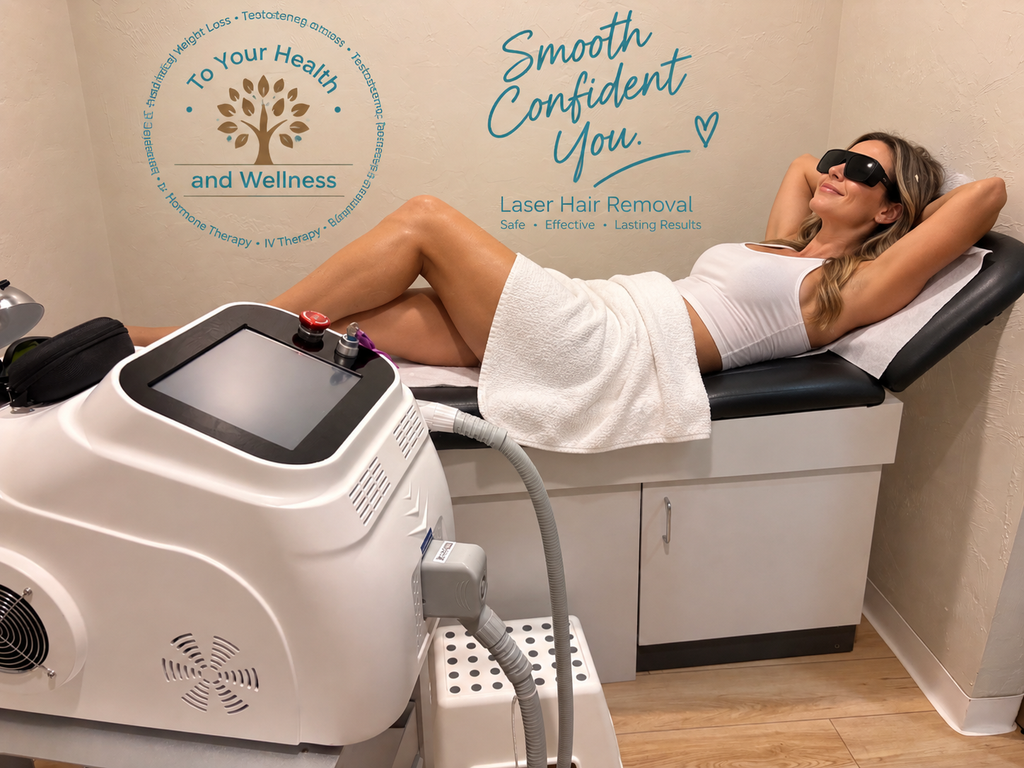
Tired of shaving, waxing, and dealing with unwanted hair? Imagine spending less time on hair removal and more time enjoying smooth, confident skin!
At To Your Health and Wellness in Gainesville, Florida, we offer advanced laser hair removal treatments for both men and women, with an emphasis on comfort, convenience, and personalized care.
And one of our favorite things to hear from patients?
“That was so much more comfortable than the laser hair removal I’ve had before!”
We frequently hear from patients who are pleasantly surprised by how comfortable their treatments feel, especially those who have tried laser hair removal elsewhere.
Why Choose Laser Hair Removal?
Laser hair removal offers a long-term approach to reducing unwanted hair by targeting pigment within the hair follicle.
Over a series of treatments, many patients experience a noticeable reduction in hair growth.
Benefits may include:
- Long-lasting reduction in unwanted hair
- Less time spent shaving or waxing
- Smoother-feeling skin
- Reduced shaving
- DITCH THE RAZOR
Laser Hair Removal for Men and Women
Whether you’re looking to treat a small area or several larger areas, we offer a wide range of treatment options.
Popular treatment areas for women:
- Upper lip, chin, and face
- Underarms
- Bikini line and Brazilian
- Legs
- Arms
- Back and abdomen
Popular treatment areas for men:
- Back and shoulders
- Chest and abdomen
- Neck and beard line
- Arms and underarms
- Legs
- Intimate areas
Our team can help you determine which treatment areas and options are appropriate for your individual needs.
Does Laser Hair Removal Hurt?
This is one of the most common questions we hear!
While everyone’s experience is different, patient comfort is one of the things that sets our laser hair removal experience apart.
Many of our patients who previously received laser hair removal at other facilities tell us that their treatments at our office feel significantly more comfortable.
Our goal is to make your experience as pleasant as possible while providing professional, individualized care.
How Many Treatments Will I Need?
Hair grows in cycles, and laser hair removal is most effective during certain phases of hair growth.
For this reason, multiple treatments are typically recommended.
The number of sessions depends on several factors, including:
- Treatment area
- Hair color and thickness
- Skin characteristics
- Hormonal influences
- Individual response to treatment
During your consultation, we’ll discuss realistic expectations and develop a treatment plan based on your goals.
Why Choose To Your Health and Wellness?
At To Your Health and Wellness, we believe aesthetic treatments should be approached with the same personalized attention and professionalism as the rest of your healthcare.
As a locally owned healthcare and wellness practice, we’re committed to providing a welcoming environment where you feel comfortable asking questions and exploring your options.
What makes our practice different?
- Comfort-focused laser hair removal
- Personalized treatment recommendations
- Services for both men and women
- A healthcare-centered approach
- Convenient location in Newberry, Florida
We proudly welcome patients from Newberry, Jonesville, Tioga, Gainesville, Alachua, and surrounding North Central Florida communities.
Ready to Simplify Your Hair Removal Routine?
Whether you’re new to laser hair removal or looking for a more comfortable experience than you’ve had in the past, we’d love to help you explore your options.
Less shaving. Less waxing. More confidence.
Schedule Your Laser Hair Removal Consultation Today!
Now scheduling- InvisaRed Lipo Laser Sessions!!

The only laser system with clinically proven results for:
Weight Reduction, Fat Reduction, and Inches Lost
invisa-RED™ is the only FDA cleared, IRB and CLINICALLY proven device to provide weight reduction, fat reduction and inch loss. It is the latest innovation in body slimming technology that can be used to shorten the time it takes to reach your desired weight loss goal. Treatments are safe, non-invasive, and a painless alternative to traditional fat reduction procedures. Each session removes up to an inch of unwanted fat from any problem area. Treatments are ideal for both men and women, eliminating the fatty areas that are unresponsive to diet and exercise. invisa-RED™ technology stimulates cellular respiration, lymphatic function and increases the metabolism through the synthesis of Adenosine triphosphate (ATP). invisa-RED™ technology penetrates tissue to a depth of about 40 mm.


Services Offered
Weight Loss Cellulite Reduction Stretch Mark Fading Skin Tightening Spot Specific Body Contouring
invisa-RED™ is currently the ONLY technology that is effective at reducing cellulite, stretch mark fading and body contouring, all in one machine!
Treatments are relaxing, painless, quick and effective with INSTANT RESULTS you will see with each and every session.
Area Specific Fat Reduction
Cellulite Elimination
Stretch-mark Fading
Wrinkle Reduction
Individualized Programs
Nutrition Modification and Education
Lifestyle Modification Counseling
Common Treatment Areas
- Stomach
- Arms
- Thighs
- Back
- Chest
- Neck
- Buttocks
invisa-RED™ is FDA cleared for any part of the body excluding the face

HOW invisa-RED™ WORKS invisa-RED™ uses advanced laser technology to target areas of unwanted fat. The treatment works by stimulating cellular respiration, improving lymphatic function, and increasing your metabolism. This causes our body to “burn fat for fuel”. You will even shed these pounds without additional diet and exercise. Activation of both the lymphatic system and metabolism are essential for achieving substantial weight loss in inches and pounds. Your body will even continue to breakdown fat after each treatment! In a double blind research trial (NCT03811093), participants who were exposed to the invisa-RED™ technology, experienced an almost 2% reduction in body fat percentage that equated to an average loss of 4.5 lbs of body fat and lost an average of 10+ inches. This was over the course of 9 treatments and NO diet, exercise, injections or supplementation occurred during the clinical trial. No adverse reactions were reported and the success rate was 100% for inch loss.
Therapeutic Effects of invisa-RED™ Therapy
- Increases blood flow
- Increases Metabolism
- Reduces Stress
- Relaxes Muscles
- Stimulates Collagen Production
Are you ready to make your weight loss dream a reality? Are you ready for INSTANT results you will see with each and every session? Call today (260) 0244-3665 for a FREE Consultation to see if we can help you feel better, be healthier and START LIVING THE LIFE WE ALL DESERVE!


FAQ
What is invisa-RED? Let us help answer some of the most frequently asked questions.
Is invisa-RED™ safe?
Yes: invisa-RED™ laser light energy is part of the range of electromagnetic rays that are absolutely necessary for metabolism and growth of human beings and is also part of the natural light spectrum of sunlight minus the skin damaging UV rays, which is why NASA currently uses this type of energy in space. It is also vibration energy, with which the human body resonates. This is the reason that it can penetrate through the skin.
I don’t know much about invisa-RED™, can you explain it to me?
Sunlight is a combination of visible, UV and infrared light. Infrared light is longer in wavelength than visible light and starts just after the visible color of red. Infrared laser light is the safest and healthiest spectrum of sunlight and accounts for 70% of the heating of the Earth, the rest being caused by visible light. It is therefore understood that a coherent combination of visible light and infrared laser light offers the most benefits in electromagnetic heating of objects that absorb infrared such as the human body. Other forms of heat such as fire and ceramic heaters, etc, warm a person by heating the surrounding air that touches the person which does not penetrate deeply into the body. Infrared laser light heat penetrates the skin and is much more effective. Certain infrared laser light wavelengths also interact with living cells increasing metabolism, energy production, and causing more fuel (calories) to be burned.
What are the benefits of invisa-RED™?
invisa-RED™ produces a combination of near-infrared and infrared light energy (680nm-980nm) The human cells have light sensitive chemicals called chromophores which react to light in this range. When stimulated by energy in this range, the cells produce more ATP which is the energy source that powers every muscle and increases metabolism. Red laser light also causes DNA synthesis in the fibroblasts of the cells which stimulates collagen production which makes the skin more elastic and younger looking. In addition, infrared light increases the production of cytochrome c oxidase enhancing the metabolism and the removal of toxins from the body.
Possible Therapeutic Benefits
- Increases blood capillary circulation and vascular activity by promoting improvement in the metabolism of nitric oxide (NO). This facilitates improved regulation of vasodilatation and leads to the formation of new capillaries – This in turn provides additional oxygen and nutrients to accelerate natural tissue healing processes and eventually evokes a cascade of beneficial biochemical processes.
- Stimulates synthesis of adenosine tri-phosphate (ATP)—an immediate energy source for muscle contraction and essential in the metabolism of all cellular processes and sustaining living systems.
- Relaxes muscles, reduces nerve excitability and stimulates nerve transmission
- Reduces scar tissue and stimulates wound healing
- Increases lymphatic system activity and relieves edema and discomfort associated with swelling
- Stimulates production of collagen—the most important component of wound healing
- Increases RNA/DNA synthesis – this stimulates cellular reproduction and facilitates accelerated replacement of damaged cells
- Increases production of endorphins and enkephelins from the brain – promoting mood elevation
- Stimulates production of adrenals— which facilitate long term resilience to stress
- Reduces inflammation and swelling in chronic conditions of arthritis, bursitis, and tendonitis
- Stimulates fibroblastic activity – promoting repair of connective tissue and formation of collagen fibers
How long has this technology been around?
With extreme popularity in the Beauty Capital of the World South America, invisa-RED™ is now at the forefront of cutting-edge technology for non-invasive weight loss and aesthetics procedures in the U.S as of 2014.
How is invisa-RED™ different from other body slimming technologies?
Other body slimming devices are only able to accomplish temporary inch loss through skin tightening in the area of treatment. invisa-RED™ is the only clinically proven device for weight reduction, fat reduction and inch loss. invisa-RED™ Machines have the ability to adjust power output, pulse, and delay settings to maximize each individual patient, case by case. Patient results are both rapid and concrete. Our technology not only provides true weight loss but also skin tightening, cellulite removal, spot specific contouring, and stretch-mark fading. By combining technology and practical application within our own facilities we have been able to provide what others can only claim.
Call or text us today to get started!

Semaglutide Weight Loss
Semaglutide, when used for weight loss, works in simple terms by making you feel full and satisfied, which leads to reduced food intake and, ultimately, weight loss. Here’s how it works:
- Increased Fullness: Semaglutide is a medication that mimics a natural hormone in the body called glucagon-like peptide-1 (GLP-1). When you take semaglutide, it activates the same receptors in your body as GLP-1. This activation signals your brain that you’re full, reducing your appetite and making you feel satisfied after eating smaller portions of food.
- Reduced Food Intake: Because semaglutide makes you feel full more quickly, you naturally eat less. This reduction in food intake leads to a decrease in calorie consumption.
- Weight Loss: By consistently eating fewer calories and feeling satisfied with smaller meals, you can lose weight over time. Semaglutide helps you stick to a lower-calorie diet, which is a key factor in losing weight.
It’s important to note that semaglutide for weight loss is typically used in combination with a calorie-restricted diet and increased physical activity. This medication can be helpful for individuals who have obesity or struggle with weight management when other approaches have not been successful.
However, it should only be used under the guidance of a healthcare professional, as it may have side effects and is not suitable for everyone…
Here are some tips on how to keep the weight off while or after using semaglutide:
- Continue Healthy Eating Habits:
- Stick to a balanced and nutritious diet. Focus on whole foods, lean proteins, fruits, vegetables, and whole grains.
- Be mindful of portion sizes and avoid overeating.
- Limit your intake of sugary, processed foods, and unhealthy fats.
- Regular Physical Activity:
- Stay physically active. Engage in regular exercise that you enjoy, whether it’s walking, swimming, cycling, or any other activity.
- Aim for CONSISTENT amounts of moderate-intensity aerobic activity per week.
- Set Realistic Goals:
- Set achievable, long-term weight maintenance goals. Avoid setting unrealistic expectations or relying on fad diets.
- Focus on gradual and sustainable weight loss and maintenance.
- Monitor Your Progress:
- Continue tracking your food intake and physical activity, if it helps you stay on track.
- Regularly weigh yourself or take body measurements to catch any changes early.
- Build a Support System:
- Stay connected with a support system, such as friends, family, or a support group, to help you stay accountable and motivated.
- Be Mindful of Emotional Eating:
- Pay attention to emotional eating triggers and develop alternative coping strategies to deal with stress, sadness, or boredom.
- Consistent Self-Care:
- Prioritize self-care and stress management. Adequate sleep and stress reduction techniques can help prevent weight gain.
- Consult Your Healthcare Provider:
- Maintain regular check-ups with your healthcare provider. They can monitor your health and provide guidance on maintaining your weight loss… AND help you wean off weight loss medications where appropriate.
- Be Patient and Persistent:
- Weight maintenance can be challenging. It’s common to experience fluctuations, but it’s important to stay persistent and not get discouraged.
- Don’t Rely Solely on Medication:
- If you used semaglutide or any other weight loss medication, remember that it is most effective when combined with lifestyle changes. Continue to focus on healthy habits even after discontinuing the medication.
Remember that maintaining weight loss is a lifelong commitment, and it’s normal to have ups and downs. The key is to build a sustainable, healthy lifestyle that works for you and helps you keep the weight off in the long term. If you’re struggling or need additional support, consider consulting with us! We are here to help! 

Why Are Laser Hair Removal Sessions Sold in Packages?

Tired of ingrown hairs and tiny red bumps that crop up after shaving? At your wit’s end with the fuzz that appears two days after waxing? If you’ve had enough of the back-and-forth, never-ending hair removal process, laser hair removal might be the answer to your woes.
Laser hair removal is a procedure in which a laser (a concentrated beam of light) is used to remove unwanted hair – a great option for anyone who’s sick of conventional hair removal options like shaving, waxing, threading, and tweezing.
But before you book an appointment, dreaming of a stubble-free life, it pays to be informed. For example, did you know that laser hair removal procedures are sold in packages? Read on to find out why.
Is Laser Hair Removal Permanent?
Laser hair removal involves “zapping” the hair follicles with pulses of highly concentrated light. The pigment in the hair follicles absorbs the light. The follicle gets heated up and is destroyed. So, what the laser essentially does is vaporize the hair. The majority of people who undergo laser hair removal report a permanent reduction of hair after about six treatments. Results will vary.
The laser treatment puts the hair follicles in a prolonged state of dormancy. It reduces the number of unwanted hairs. And if the hairs grow back, they’re finer, lighter, and fewer in number. A maintenance treatment every year can keep any stray hairs from cropping up.
Why Does Laser Hair Removal Need Multiple Sessions?
If you’re looking for results by summer, it is best to start your laser hair removal treatments in early fall. The procedures are scheduled to accommodate the hair growth cycle, which typically lasts four to six weeks.
The hair growth cycle has three phases. The growth phase (anagen) is when the hair grows in length. The transitional phase (catagen) is when the hair follicle shrinks and detaches from the skin. The resting phase (telogen) is when the old hair rests and ultimately sheds, as a new hair starts growing.
When you undergo a laser hair removal treatment, every hair follicle doesn’t respond to the light pulses. That’s because the laser only acts on actively growing (anagen) hairs. Some of the hairs, which are in the resting phase, are spared. You need multiple sessions, usually spaced four to six weeks apart, to get them all. If you’re regular with your appointments, every hair follicle will eventually get zapped.
What does laser hair removal feel like?
For the six months when you’re undergoing your laser hair removal sessions, you’ll need to make sure your skin is clean-shaven with your old friend, the razor. The laser hair removal procedure is well tolerated with the new advancements in laser technology. At Village Dermatology, we provide several methods of decreasing any discomfort, including the use of topical numbing cream on the areas being treated.
How Soon Will I See a Difference?
The number of hairs reduces by 10 to 25 percent after the first session. You can expect to see a real difference after your third laser hair removal treatment.
Why Not Just Do At-Home Laser Treatments?
There are dozens of at-home laser treatments on the market, including some FDA-approved devices. Sounds convenient, right? The idea that you can zap away your hair while watching your favorite Netflix series on a Saturday night?
It might seem like you’ll save time and money, but you could end up with complications you didn’t bargain for. Experts are dubious about at-home laser treatments. At best, they don’t work. At worst, they can cause serious damage.
The laser works by targeting the pigment in the hair follicle. At-home lasers are only effective when there’s a great contrast between the skin and hair color. Meaning at-home lasers only work in people with a light skin tone and dark hair.
At-home hair removal lasers are much less powerful than office lasers (For good reason.) A laser can be dangerous in the wrong hands, causing scars, burns, and permanent changes in skin color.
Dermatologists warn that people tend to be aggressive at home, often double and triple pulsing areas they’re not supposed to. It’s easy to get carried away in the hope for faster, better results without understanding the harmful consequences.
Which Areas are Appropriate for Laser Hair Removal?
The American Academy of Dermatology recommends that you get a laser hair removal technician trained by a board-certified dermatologist to perform your laser hair removal procedures. This will ensure you can get rid of unwanted hair safely and effectively. The following areas are deemed appropriate for laser hair removal:
-
Neck
-
Shoulders
-
Chest
-
Back
-
Bikini area
-
Face (excluding brows)
-
Full legs
-
Full arms
The treatment duration depends on the area being treated. An upper lip session might take only a few minutes. Larger areas like the back or legs may take up to an hour.
For the best results from your laser hair removal treatments, you should carefully follow your aesthetician’s after-care instructions. This includes avoiding direct sunlight on the treated skin. Your skin will be slightly red and swollen, like a mild sunburn. Most people return to everyday activities immediately after having laser hair removal, although patients are strongly discouraged from working out for 48 hours after treatment.
Last but not least, laser hair removal isn’t only for women. More and more men, sick of razor burns, ingrown hairs, and acne breakouts, are seeking laser hair removal to permanently eliminate unwanted hair.
We are excited to offer FDA approved Laser Hair Removal from To Your Health and Wellness, LLC at Chiefland Elite Medispa. Contact us today at Jmunksgardnp@outlook.com or 352-363-1035 to get your sessions booked!

Getting the MOST out of your Hormone Optimization!

Jennifer Munksgard, APRN is a certified Biote Medical Hormone Pellet Provider – now in Chiefland and High Springs!
How do Hormone Pellets work and how can I get my BEST health from them?
One of the reasons we like our Biote Hormone Pellet programs is that testosterone release from pellet implants is very consistent. They always release testosterone. Testosterone and stearic acid are the main ingredients in the implants. Both are found throughout the body. Neither compression pressure nor added ingredients changes the release of testosterone. Studies have also shown that the site of implantation does not affect release as other methods of replacement.
The actual dose of testosterone you get may affect your results. It is personalized to your labs and weight. Sometimes, higher doses are associated with more relief of symptoms, hence why we will often recheck labs at 4-6 weeks and when needed and consider increasing if your symptoms are not relieved.
SO, what factors do affect how you feel and the result you get from testosterone therapy?
The most common reasons NOT to get the ‘great results’ you have experience with testosterone pellets in the past are:
1. STRESS: Increased stress, either physical or mental, will definitely affect how you feel physically and emotionally. Stress can even cause hot flashes. Stress can affect how long the pellets last. Symptoms may return several weeks sooner.
2. DIET: A diet high in refined foods & processed carbohydrates and low in fat will definitely affect the result you get with testosterone. Fatigue, irritability and anxiety may be diet related. Whole foods, good fats and protein can beneficially affect mood and energy. Testosterone increases muscle mass and gets rid of fat deposits. Refined carbohydrates can prevent weight loss usually seen with testosterone therapy. Our office can help you with a specialized diet plan for not only weight loss but also to improve your outcomes of using hormone therapy!
3. LACK OF CONSISTENT EXERCISE: This is one of THE MOST important parts of ANY hormone optimization or replacement! Aerobic exercise is a remarkable stress reliever. It increases energy and metabolism and decreases anxiety. Exercise improves sleep patterns. The best results from pellets are seen in people who exercise.
4. LACK OF SUNLIGHT: The lack of sunlight will affect mood, sense of well-being and physical energy.
5. HIGH ESTROGEN (Estrogen dominance): Fluid retention, weight gain, breast pain, anxiety, PMS, insulin resistance, and lack of ‘sense of well being’ are all symptoms of excess estrogen. Often women cannot lose weight or fat when they have estrogen dominance. Also, it is the fat cells themselves that contain aromatase, the enzyme that converts testosterone to estrogen. Testosterone can convert to Estradiol. This is one way the body naturally makes healthy levels of estrogen. However, if estrogen levels become too high, this can contribute to the symptoms of estrogen dominance listed above.
Most complaints of ‘pellets not working’ occur during the winter months. The stress of the holidays, change in diets, lack of sunlight and time outdoors, change in activity level can all affect how you feel both mentally and physically. Our exclusive line of high-quality supplements, as well as our weight loss and dietary guidance programs can help!
Exercise, whole foods, fiber, losing weight and getting rid of refined carbohydrates can help lower estrogen levels.
Using the BIote DIM SGS+ can help. DIM SGS+ is an ideal combination of diindolylmethane (DIM), sulforaphane (SGS), and pomegranate extract. This combination of clinical-grade ingredients helps stimulate a more efficient metabolism for estrogen, meaning it can help regulate the ratio of healthy to less healthy estrogen.
DIM SGS+ is specially formulated to help support hormone optimization and bioidentical hormone replacement therapy (BHRT). The main ingredient, DIM, is a compound found in cruciferous vegetables such as broccoli, cabbage, and kale and helps maintain hormone balance. BioTE DIM SGS+ may also help promote breast, uterine, cervical, and prostate health.
Clink on the link below to order directly from our online shop or contact our office to chat about diet, supplements and our weightloss programs to compliment your Biote Hormone Pellet therapy!

Give the Gift of HEALTH to your Small Business Employees!

Running a small business while incredibly rewarding can be challenging as well. As small business owners ourselves, we understand that owners are continuously looking for ways to save money, keep employees happy and healthy, all while bettering their business in general. Looking for a year end incentive or bonus? Give the gift of a Direct Primary Care membership at To Your Health and Wellness!
“But we need BENEFITS”….
Insurance can be a point of contention for these organizations, as we understand that you aim to provide your loyal employees with the best possible benefits and care, but those costs can quickly become astronomical.
We believe our Direct Primary Care (DPC) medical benefit model is one that works for small businesses, making it something to consider as a business owner.
Why DPC Works for Small Businesses
Insurance costs are rising
This is especially true for small businesses, and it’s making it harder and harder for them to provide their employees with great medical care. This results in different actions from these companies, such as hiring freezes, cutting benefits, utilizing high-deductible plans, or even turning employees into independent contractors.
This can make it hard for companies to retain their employees, which drives up the costs of recruiting, hiring, and training. This is where DPC comes into play. For as little as $50 per employee per month, businesses can provide their workers with reliable and quality health care that they will love.
It’s a win-win situation that, in the end, will make your small business more profitable.
It will keep employees happy
Small businesses truly value their employees and need them to keep their business up and running on a day-to-day basis. For that reason, it’s important to keep them happy and make them feel appreciated. The vast benefits of DPC will give them that security and peace of mind.
From a more personalized medical experience to a more flexible medical plan, employees are sure to love it. DPC plans also make it easy to add on family coverage for spouses and children, which is an added bonus. We believe adding this perk will increase retention and will be an all-around great move for your business.
It will reduce sick days
Giving your employees access to quality health care and preventative healthcare 24/7 makes it easier for them to receive both preventive and sick care, meaning that they are less likely to get sick or will be sick for a shorter duration. Convenient scheduling allow for less travel time to appointments or waiting around in busy waiting rooms! This results in less employee absences and less sick days, which is huge – especially for a small business.
DPC patients are 75% less likely to be hospitalized each year, meaning that the people you count on to run your organization are more likely to be around when they have this care. We take a “preventative approach” to healthcare, and provide care when ill, but also services on STAYING healthy, included in the DPC membership (such as weight loss)!
We understand that choosing health care benefits is a huge – and sometimes intimidating and confusing – responsibility as a business owner. We are here to answer your questions about DPC and to simplify the process. Contact us today or click here to learn more.