Strength Looks Good at Every Age: What You Should Know About Accufit Muscle Stimulation
Because healthy aging is about more than what you see in the mirror.
Let’s talk about muscle.
Not six-pack abs. Not squeezing into jeans from 20 years ago. And definitely not another wellness trend promising to transform your body while you do absolutely nothing.
I’m talking about something much more important: maintaining muscle strength as we age.
Muscle health plays a significant role in how we move, function, maintain independence, and support our long-term health.
And while there’s no substitute for regular physical activity and resistance training, technology has introduced some interesting options for stimulating targeted muscles.
One of those technologies is Accufit.
At To Your Health and Wellness, we believe patients deserve to understand what a treatment does, what it doesn’t do, and whether it makes sense for their individual goals.
So let’s talk about it.
Why Muscle Strength Matters as We Age
Beginning in adulthood, we gradually experience changes in muscle mass, strength, and function. These changes can become more noticeable with aging, particularly when physical activity decreases.
For women, midlife can also bring changes in body composition associated with aging, hormonal transitions, and lifestyle factors.
Maintaining muscle strength is important for more than appearance.
Healthy muscles support:
Everyday movement and physical function
Balance, mobility, and independence
Metabolic health and glucose regulation
Bone health through regular weight-bearing activity
The ability to remain active as we get older
That’s why I encourage patients to think about muscle health as part of their overall wellness plan.
And the foundation is still the same: adequate nutrition, regular movement, progressive resistance training, appropriate recovery, and consistency.
No machine replaces those fundamentals.
So, What Exactly Is Accufit?
Accufit is a noninvasive electrical muscle stimulation device designed to activate targeted muscle groups through controlled electrical impulses.
These impulses cause muscles to contract during treatment.
Accufit has FDA-cleared indications related to improving muscle tone, firmness, and strength in specified treatment areas, depending on the device’s applicable labeling.
Commonly discussed treatment areas include the abdomen, arms, thighs, and buttocks.
A treatment session typically takes approximately 30 minutes, although protocols may vary.
The goal is targeted muscle stimulation—not weight loss.
Is Accufit the Same as Exercise?
No. And that’s an important distinction.
During resistance training, your muscles work against an external load while your body coordinates movement, balance, and other physical demands.
Accufit uses electrical impulses to produce muscle contractions without requiring the same voluntary movement.
Both involve muscle activation, but they are not interchangeable.
Resistance training provides broader benefits that a muscle-stimulation device cannot fully reproduce.
I would never encourage someone to replace their exercise routine with Accufit treatments.
Instead, I view muscle-stimulation technology as an optional service that may be appropriate for certain individuals with specific goals.
What Can Accufit Realistically Do?
Depending on the device’s cleared indications, Accufit may be used to improve muscle tone, firmness, and strength in targeted areas.
However, there are important limitations.
Accufit should not be confused with a medical weight-loss treatment, and it should not be advertised as a way to eliminate fat, reverse age-related muscle loss, or replace exercise.
The FDA’s clearance of a device also does not mean that every marketing claim about that device has been proven in large, long-term clinical trials.
Individual results can vary, and patients should understand the potential benefits, limitations, and costs before choosing treatment.
That’s the kind of conversation we believe should happen before any elective wellness service.
Who Might Be Interested in Accufit?
Accufit may appeal to adults interested in targeted muscle toning or firmness as part of their personal wellness goals.
But being interested in a treatment doesn’t automatically mean it’s appropriate.
A consultation should consider medical history, implanted electrical devices, relevant health conditions, treatment goals, and other contraindications or precautions.
Some patients may be better served by an individualized exercise program, physical therapy, or another approach.
And sometimes the best recommendation is simply to keep doing what is already working.
Not every patient needs every service we offer.
What About Perimenopause and Menopause?
This is where the conversation becomes particularly relevant to many of the women we care for.
During midlife, changes in hormones, activity levels, sleep, and body composition can influence how women feel about their strength and physical health.
Maintaining muscle strength during this stage of life is important.
But let’s be clear: Accufit is not a treatment for menopause, and we do not have sufficient evidence to claim it prevents or reverses menopause-related muscle loss.
What we can do is help patients develop a thoughtful plan that prioritizes nutrition, movement, resistance training, metabolic health, and appropriate medical care.
For some patients, an elective muscle-stimulation service may be something they choose to explore alongside those fundamentals.
For others, it may not offer enough additional value to justify the cost.
Both are perfectly reasonable decisions.
The Question I Think Every Patient Should Ask
Before spending money on any wellness treatment, ask:
“What am I actually hoping to accomplish, and is this the best way to accomplish it?”
If your goal is improving overall strength, exercise capacity, metabolic health, or preventing age-related functional decline, resistance training and a comprehensive wellness plan remain essential.
If you’re interested in targeted muscle stimulation or cosmetic muscle toning, Accufit may be worth discussing.
Those are different goals, and they deserve different conversations.
Your healthcare provider should help you understand that distinction—not blur it to make a sale.
Why We Offer Accufit at To Your Health and Wellness
We believe healthcare and wellness services should be guided by patient needs, clinical judgment, and honest conversations.
That means we can appreciate useful technology without pretending it’s magic.
It means being transparent about what treatments may accomplish and acknowledging where the evidence has limitations.
And it means respecting that your wellness budget matters, too.
We offer Accufit as an elective muscle-stimulation service for appropriately selected patients who understand its potential benefits and limitations.
No miracle promises.
No pressure to purchase a package.
And no pretending that 30 minutes on a machine replaces taking care of yourself the other 23½ hours of the day.
Because healthy aging isn’t about chasing every new treatment.
It’s about making informed decisions that support the life you want to live.
Curious About Accufit?
If you’re interested in learning whether Accufit might fit your personal goals, our team would be happy to explain the treatment process, expected costs, and appropriate next steps.
To Your Health and Wellness, LLC
Newberry, Florida
Affordable and accessible primary care and SO much more.
Medical disclaimer: This article is intended for general education and does not replace individualized medical advice. Treatment suitability and outcomes vary. Device indications and contraindications should be reviewed before treatment.
When You Thought Losing Weight Would Improve Your Health… But Ended Up Paying for So Much More
By Jennifer Munksgard, MSN, APRN, FNP-BC Owner & Provider | To Your Health and Wellness, LLC
Y’all. Apparently, Jen’s on a roll today. 🤠😂
And if you thought Part One of The Wild Wild West of Wellness was going to be the end of my soapbox, well… you clearly don’t know me very well.
Because there’s another side to this wellness craze that we REALLY need to talk about.
THE HIDDEN COST OF GETTING “HEALTHY.”
You started this journey because you wanted to improve your health.
Lose weight.
Improve your blood sugar.
Lower your blood pressure.
Feel better.
Maybe even reduce the number of medications you’re taking.
Those are GREAT goals.
But somewhere along the way, you started collecting products.
A weight loss injection.
A supplement for cortisol.
Something for gut health.
A peptide for recovery.
A vitamin blend for energy.
Something to balance hormones.
And, of course, something promising younger-looking skin because WHY NOT? 😂
Before you know it, you’re spending hundreds of dollars a month trying to become the healthiest version of yourself.
But here’s my question:
WHO IS MAKING SURE ALL THOSE THINGS ACTUALLY BELONG TOGETHER?
And what happens when something goes wrong?
The $200 Wellness Shortcut That Could Become a $2,000 Problem
Now, before somebody starts typing an angry comment, those numbers are examples—not average medical costs.
I’m not suggesting every supplement or medication causes complications.
And I’m certainly not suggesting medically appropriate weight loss is bad for your health.
In fact, improving metabolic health can reduce the risk of serious chronic conditions.
But here’s what happens when someone develops concerning symptoms or abnormal findings.
Suddenly, we may need:
An office visit to evaluate what’s going on.
Blood work to check liver enzymes, kidney function, electrolytes, or other clinically relevant markers.
An abdominal ultrasound or additional imaging.
Follow-up laboratory testing.
A gastroenterology, endocrinology, or other specialist consultation.
Emergency evaluation or hospitalization if symptoms are severe.
And depending on your insurance, deductible, and circumstances, those bills can add up FAST.
Now, not every abnormal test is caused by a medication or supplement.
And not every imaging finding represents a serious problem.
But when a product contributes to a complication, the cost of managing that complication can be much greater than the price of the product itself.
And sometimes the person who sold you the product isn’t the person evaluating the consequences.
The Research Is Giving Us Some Reasons to Pay Attention.
This isn’t just healthcare professionals complaining about what we’re seeing in our offices.
There is actual research documenting adverse events and healthcare utilization associated with GLP-1 medications and dietary supplements.
A study published in Annals of Internal Medicine in 2025 estimated approximately 24,499 U.S. emergency department visits attributed by clinicians to semaglutide adverse events during 2022–2023.
Approximately 83% occurred in 2023.
Many involved gastrointestinal symptoms.
Now, let’s put that into perspective.
GLP-1 prescribing increased substantially during this period.
So an increase in emergency visits does NOT automatically mean the medications became more dangerous for each individual patient.
But it DOES mean there are real adverse events that require medical evaluation.
Another national study published in 2026 reported an approximately 806% increase in the rate of semaglutide exposure reports to U.S. poison centers between 2021 and 2024.
Again, that’s an increase in exposure reports—not an 806% increase in your personal risk of experiencing harm.
And this isn’t just about injections.
A national study published in The New England Journal of Medicine estimated approximately 23,000 emergency department visits annually associated with dietary supplement adverse events, based on data collected from 2004–2013.
Those supplement numbers are historical, not a current estimate.
But they reinforce something I’ve been saying:
JUST BECAUSE YOU CAN BUY IT WITHOUT A PRESCRIPTION DOESN’T MEAN IT CAN’T SEND YOU TO THE EMERGENCY ROOM.
And no, I haven’t found reliable national data proving that abdominal ultrasound orders or abnormal liver tests specifically caused by these products have increased over the last few years.
I’m not going to pretend the research says something it doesn’t.
But I can tell you that evaluating symptoms, medication interactions, and abnormal laboratory findings is a very real part of healthcare.
Let’s Talk About Your Liver for a Minute.
Your liver does a LOT of work.
It helps process many medications and other substances that enter your body.
Certain medications, herbal products, and dietary supplements can cause liver injury in susceptible individuals.
And some products sold online may contain ingredients that aren’t accurately represented on their labels.
But here’s where medical judgment matters.
An elevated liver enzyme doesn’t automatically mean your supplement caused it.
Fatty liver disease, viral infections, alcohol use, metabolic conditions, medications, and numerous other issues can affect liver function.
And an abnormality found on imaging may have nothing to do with the product you’re taking.
We have to investigate, not assume.
But imagine trying to figure out why someone’s liver enzymes are elevated when we don’t even know they’re taking three supplements, a peptide, and a weight loss injection purchased online.
Which brings me to another problem.
The Medication or Supplement You Didn’t Tell Me About Might Be the Missing Piece.
Y’all, we need to talk about HONESTY.
Not because I think patients are intentionally trying to deceive their healthcare providers.
But because patients don’t always tell us everything they’re taking.
Sometimes it’s a supplement.
Sometimes it’s an herbal product.
Sometimes it’s a weight loss injection from another provider.
Sometimes it’s a peptide purchased online.
And sometimes it’s something they’ve been taking for MONTHS that never made it onto their medication list.
Why?
Some people don’t think supplements count as medications.
Some assume that because something is natural, it doesn’t need to be mentioned.
Some don’t realize a product could interact with their prescriptions.
And some are afraid their healthcare provider is going to JUDGE them.
And THAT last one? We need to talk about it.
Because the Research Shows Patients Aren’t Always Telling Us.
A 2019 systematic review and meta-analysis found that the pooled disclosure rate for biologically based complementary medicine use was approximately 33%.
In other words, roughly two-thirds of users across the pooled studies weren’t disclosing those therapies to their medical providers.
Now, that research concerns complementary therapies and supplements—not specifically GLP-1 injections or peptides.
But the communication problem is important.
Some patients didn’t think the information was relevant.
Some said their provider never asked.
Others feared disapproval or believed their healthcare provider wouldn’t understand.
Think about that for a minute.
We’re trying to make medical decisions based on someone’s history, symptoms, medications, and laboratory results.
But we may not even know everything they’re putting into their body.
HOW CAN WE LOOK AT THE WHOLE PICTURE WHEN WE’RE MISSING HALF THE PUZZLE PIECES?
Healthcare Providers, We Have Some Responsibility Here Too.
I’m going to say something that might make a few of my colleagues uncomfortable.
Sometimes WE are part of the reason patients don’t tell us things.
Healthcare professionals are human.
We have opinions. We have biases. We have limited time.
And yes, sometimes patients feel judged when they tell us about their weight, eating habits, alcohol use, supplement use, or decisions to purchase treatments outside traditional healthcare.
Maybe they’ve been dismissed before.
Maybe someone made them feel embarrassed.
Maybe they’re afraid we’re going to lecture them.
Or maybe they’ve simply never been asked.
If we want honest answers, we have to create an environment where patients feel safe giving them.
That doesn’t mean we have to agree with every decision.
It doesn’t mean we have to recommend every supplement, peptide, or medication someone wants to try.
And it certainly doesn’t mean we ignore safety concerns.
It means we can have difficult conversations without making patients feel ashamed for being honest.
Here’s What I Want My Patients to Know.
If you’re taking something I didn’t prescribe, TELL ME.
If you ordered a peptide online, TELL ME.
If you’re taking six supplements because somebody on TikTok said you needed them, TELL ME.
If you’re using a weight loss injection from another provider, TELL ME.
If you’ve changed your eating habits, started a restrictive diet, or stopped taking a medication, TELL ME.
I’m not asking because I want to control every decision you make.
I’m asking because I need accurate information to help you make safe, informed decisions.
And sometimes the information you think is completely unrelated to your symptoms is exactly what helps us figure out what’s going on.
You should never feel like you have to hide part of your health journey from the person helping manage your healthcare.
And as providers, we need to remember:
WE CANNOT EXPECT COMPLETE HONESTY FROM PATIENTS IF WE PUNISH THEM FOR TELLING US THE TRUTH.
That’s not abandoning clinical standards.
That’s combining clinical standards with compassion, communication, and respect.
Because whole-person healthcare requires the WHOLE story.
What About the Diet You Never Changed?
Here’s another uncomfortable truth.
A weight loss medication may help control appetite, improve glucose regulation, or support meaningful weight loss.
But it doesn’t automatically teach you how to nourish your body.
And simply eating less doesn’t necessarily mean you’re eating BETTER.
If you’re eating significantly less but not prioritizing adequate nutrition, protein, resistance training, hydration, and sustainable habits, you may not be supporting the long-term health you’re trying to achieve.
Some patients may develop inadequate protein intake, nutritional deficiencies, dehydration, constipation, or loss of lean mass.
These outcomes aren’t inevitable.
And they’re not unique to medication-assisted weight loss.
But they illustrate why comprehensive weight management involves more than suppressing appetite.
THE GOAL ISN’T SIMPLY TO EAT LESS. IT’S TO SUPPORT YOUR BODY BETTER.
Because losing weight while neglecting your nutrition, strength, and overall health isn’t the finish line we’re aiming for.
Who Gets the Medical Bill After Somebody Else Gets the Sale?
And here we are again.
The part nobody really wants to talk about.
A company sells the product.
An influencer earns a commission.
An online program processes the payment.
And then a patient develops concerning symptoms.
Who evaluates them?
Often, it’s their primary care provider, urgent care clinician, emergency department, or specialist.
We’re reviewing unfamiliar products, researching ingredients, evaluating interactions, ordering tests, and trying to understand what happened.
Sometimes patients expect that review to happen through a quick message or phone call.
And listen, we WANT patients to ask questions.
But comprehensive medication and supplement review is clinical work.
It takes time.
It takes education.
It takes professional judgment.
And sometimes it requires additional visits, testing, or coordination with specialists.
THE PERSON WHO SOLD YOU THE PRODUCT MAY NOT BE THE PERSON RESPONSIBLE FOR MANAGING THE MEDICAL CONSEQUENCES.
That’s not an accusation against every online wellness company.
It’s a reason to ask questions BEFORE purchasing.
Who is responsible for monitoring you?
Who can you call when something goes wrong?
Who is reviewing your other medications?
Who is evaluating your medical history?
And who’s willing to tell you that you don’t need the product in the first place?
Because that’s an important question.
Stop Buying Individual Cogs for a Wheel Nobody Is Maintaining.
Remember my wellness wheel analogy from Part One?
Your health is not a collection of completely independent parts.
Your cardiovascular health affects your metabolic health.
Your nutrition affects your energy, strength, and recovery.
Your medications may affect your appetite, digestion, blood pressure, and glucose.
Your sleep, physical activity, stress, and medical conditions influence one another.
But wellness marketing often presents products as though each issue can be fixed independently.
A supplement for this.
An injection for that.
A hormone protocol for something else.
And before long, you’ve got an entire wellness wheel held together with duct tape.
MAYBE INSTEAD OF BUYING ANOTHER COG, WE NEED SOMEONE TO LOOK AT THE WHOLE WHEEL.
That’s where comprehensive primary care matters.
Your primary care provider can help review your medications, evaluate symptoms, coordinate specialty care, and develop a plan that makes sense for YOU.
Specialists remain essential when their expertise is needed.
But somebody needs to help connect the dots.
Prevention Isn’t Always About Adding Something.
Sometimes it’s about taking something away.
An unnecessary supplement.
A duplicate medication.
An unapproved peptide.
A product that may be interacting with another treatment.
Or a wellness routine that’s costing you a fortune without providing meaningful benefit.
And sometimes prevention means recognizing a concerning symptom early enough to investigate it appropriately.
That’s why I don’t believe the measure of successful healthcare is how many products someone is taking.
It’s whether their health is actually improving.
And yes, I own a healthcare business.
Yes, I make money providing services.
I don’t work for free, y’all. 😂
But my responsibility is to recommend appropriate care, even when that means telling someone NOT to purchase something.
MORE PRODUCTS DO NOT AUTOMATICALLY EQUAL MORE HEALTH.
The Most Expensive Wellness Plan May Be the One Without a Plan.
I want people to lose weight safely when it’s medically appropriate.
I want them to improve their blood pressure, blood sugar, strength, mobility, and quality of life.
I want them to feel confident and energized.
But I also want them to understand what they’re putting into their bodies and WHY.
Because there’s a difference between investing in your health and simply purchasing the promise of health.
And that brings me to something I’ve been saying over and over again:
WEIGHT LOSS IS NOT THE FINISH LINE.
Learning how to maintain your progress, support your metabolism, preserve muscle, and build sustainable habits matters just as much.
That’s why I’ve created The Maintenance Blueprint, an educational course launching soon.
Not another miracle product.
Not another injection.
Education and practical strategies designed to support long-term weight maintenance and healthier habits.
Because the goal isn’t to keep chasing the next solution.
It’s to build a foundation that lasts.
One Last Reminder.
I don’t want you afraid of medications.
I don’t want you afraid of supplements.
And I certainly don’t want you afraid to seek help for weight management.
I want you to be an INFORMED consumer of healthcare.
Ask questions.
Know what you’re taking.
Understand the risks and benefits.
Tell your primary care provider about ALL your medications, supplements, herbs, peptides, and treatments.
And please don’t mistake an online sales pitch for comprehensive medical care.
THE CHEAPEST SHORTCUT ISN’T ALWAYS THE LEAST EXPENSIVE PATH.
And the most expensive wellness program isn’t necessarily the one providing the best healthcare.
As I always say:
WE AREN’T DOING THIS TO FIT YOU IN A SMALLER CASKET.
We’re doing this so you can live a longer, healthier, better life.
Let’s stop duct-taping the wellness wheel and start looking at the WHOLE person.
— Jen
Jennifer Munksgard, MSN, APRN, FNP-BC Owner & Provider To Your Health and Wellness, LLC
Affordable and accessible primary care and SO much more.
Lovegrove MC, et al. US Emergency Department Visits Clinicians Attributed to Semaglutide Adverse Events, 2022–2023. Annals of Internal Medicine, 2025.
National Poison Center Trends in GLP-1 Receptor Agonist Exposures Following FDA Approval for Weight Loss. Journal of Medical Toxicology, 2026.
Geller AI, et al. Emergency Department Visits for Adverse Events Related to Dietary Supplements. New England Journal of Medicine, 2015.
Disclosure of Complementary Medicine Use to Medical Providers: A Systematic Review and Meta-Analysis. Scientific Reports, 2019.
U.S. Food and Drug Administration. FDA’s Concerns with Unapproved GLP-1 Drugs Used for Weight Loss.
Educational disclaimer: This article provides general health information and is not a substitute for individualized medical advice. Adverse-event reports and emergency-visit estimates do not establish that every event was caused by a medication or supplement. Discuss medications, supplements, herbs, and investigational products with your healthcare professional. Do not discontinue prescribed treatments without appropriate medical guidance. Severe or persistent symptoms require prompt medical evaluation.
Y’all, the Wild Wild West of Wellness just got EXPENSIVE! 🤠💸 What happens when your journey to better health leads to unexpected medical bills, abnormal lab results, and additional testing? From weight loss injections and supplements to peptides and online wellness products, we’re uncovering the hidden costs of fragmented healthcare. Plus, why patients aren’t always telling their providers what they’re taking—and why healthcare professionals need to listen without judgment. Because getting healthier shouldn’t mean gambling with your health or your wallet!
We’ve gone from questioning Big Pharma to trusting Big Wellness.
But who’s looking at the WHOLE picture?
By Jennifer Munksgard, MSN, APRN, FNP-BC Owner & Provider | To Your Health and Wellness, LLC
Y’all. It’s getting WILD out here. 🤠
And I’m not just talking about weight loss injections.
I’m talking about the entire WELLNESS industry.
The supplements. The peptides. The hormone promises. The anti-aging products. The skin fixes. The detoxes. The “all-natural” solutions. The influencers. The affiliate links. The latest miracle product that supposedly fixes something you didn’t even know was wrong with you.
We’ve gone from being suspicious of BIG PHARMA to handing over our credit cards to BIG WELLNESS without asking nearly enough questions.
And before somebody gets upset, let me make something clear.
I’m not anti-supplement. I’m not anti-medication. I’m not anti-wellness.
I believe in evidence-based treatment, safe individualized care, prevention, nutrition, lifestyle medicine, and helping people feel their absolute best…. without ending up with expensive pee and/or a buckload of medications.
But… I AM against blindly putting things into your body without understanding what they do, what they interact with, and whether they’re actually appropriate for YOU.
Because here’s something we seem to have forgotten:
“NATURAL” DOES NOT AUTOMATICALLY MEAN SAFE.
Read that again.
Everything you put into your body has the potential to affect your health.
Prescription medications.
Over-the-counter medications.
Vitamins.
Herbal supplements.
Peptides.
Hormones.
Protein powders, creatine, gummies, energy drinks.
And yes, even FOOD.
That doesn’t mean everything is dangerous.
It means everything deserves context.
Something can be beneficial for one person and inappropriate for another.
Herbal products can interact with prescription medications. Supplements can affect blood pressure, blood sugar, bleeding risk, or liver function. Certain foods can interact with medications or trigger reactions in susceptible people.
And just because something comes from a plant doesn’t mean it’s harmless.
Poison ivy is natural too…. 😂
The point is not to scare people away from taking care of themselves.
It’s to remind them that taking care of yourself requires more than buying whatever the internet is selling this week.
Three Abdominal Ultrasounds. One Week.
Let me tell you what’s been happening in my office.
This week, I’ve ordered THREE abdominal ultrasounds for patients experiencing abdominal pain while taking GLP-1 medications.
And none of them were particularly excited when I recommended holding their medication while we investigated.
Why?
“But it’s WORKING!”
And I understand that.
GLP-1 medications can be incredibly beneficial. I prescribe them. I’ve seen the improvements they can make in patients’ metabolic health.
But significant or persistent abdominal pain deserves attention.
We may need to evaluate the gallbladder, pancreas, liver, or gastrointestinal system.
Gallbladder disease, pancreatitis, and significant gastrointestinal complications are among the concerns healthcare professionals must consider in patients taking certain weight loss medications.
And if I suspect something serious, I’m not going to ignore it because the scale is moving in the right direction.
Because as I frequently tell my patients:
“WE AREN’T DOING THIS TO FIT YOU IN A SMALLER CASKET.”
The goal isn’t simply weight loss.
The goal is HEALTH.
And sometimes protecting your health means temporarily holding a medication, ordering imaging, or changing the treatment plan.
Now… Add the Peptides, Supplements, and Miracle Wellness Products.
Here’s where things get even more complicated.
People aren’t just taking one weight loss medication.
Some are combining medications, supplements, herbs, hormone products, and experimental peptides, often recommended by completely different people.
One person tells them they need something for cortisol.
Another says their gut needs fixing.
Another promises a peptide will reverse aging.
Someone else recommends an injection for weight loss.
And suddenly, a person has five different products from five different sources, each promising to fix a different problem.
BUT WHO IS LOOKING AT THE WHOLE PICTURE?
Who’s checking for interactions?
Who’s reviewing liver and kidney function when clinically appropriate?
Who’s asking whether the symptoms being treated might be caused by something else?
Who’s making sure a supplement isn’t interfering with a medication?
Who’s considering whether the person even needs the product in the first place?
And who’s going to recognize when something is going wrong?
That’s the part of wellness marketing we don’t talk about enough.
And let’s talk about the unapproved peptides being marketed online.
Retatrutide, for example, is an investigational medication that has not been FDA-approved for routine clinical use.
That means products being sold outside legitimate clinical trials raise serious questions about their authenticity, quality, dosing, and safety.
An experimental substance isn’t automatically safe because somebody calls it a peptide.
Welcome to the new BIG… Big Wellness.
We see everywhere and hear everyone talking about how we can’t rust Big Pharma because pharmaceutical companies were making money off sick people.
And listen, questioning financial incentives in healthcare is healthy.
We SHOULD ask questions about medications, research, marketing, costs, and conflicts of interest.
But somewhere along the way, some people stopped applying those same questions to the hot new everyone is “and wellness” industry.
Now someone with a discount code, a compelling personal story, and a beautiful social media page can convince people to spend hundreds of dollars on products with little understanding of their risks or evidence.
And because it’s marketed as “natural,” “clean,” “holistic,” or “wellness,” people may assume it’s safer.
A marketing label is not a safety evaluation.
And a testimonial is not the same thing as scientific evidence.
Some wellness products are useful. Some have limited evidence. Some are unnecessary. And some can be harmful, especially when combined with medications or used in people with certain medical conditions.
We should evaluate them with the same critical thinking we apply to prescription drugs.
And Then There’s the Business Side.
This is where I may ruffle a few feathers.
There are companies using affiliate marketing, referral networks, and multilevel-marketing-style structures to sell supplements, wellness products, and access to weight loss treatments, including prescription medications.
Some connect customers with licensed healthcare professionals, and yes, some operate responsibly.
But simply connecting someone with a provider doesn’t automatically mean that person is receiving comprehensive, coordinated healthcare.
And if someone is making money every time you purchase another product, I think it’s fair to ask:
What happens when the best thing for your health is to STOP buying it?
Will they tell you? Or even be available?
Will they recognize a complication?
Will they recommend appropriate medical evaluation?
Will they encourage you to discuss the product with your primary care provider?
Maybe they will.
But patients deserve to know who is responsible for their care and whether financial incentives influence the recommendations they’re receiving.
And Yes, I Make Money Providing Healthcare.
Before somebody jumps into the comments…
YES. I own a healthcare business.
YES. I make money.
I have employees, overhead, bills, and a practice to run.
I don’t work for free, and I don’t expect anybody else to.
Making money is not the problem. Putting profits ahead of patients, safety and education is the problem.
I prescribe medications. I recommend treatments. I provide services.
But I also tell people when I don’t think something is appropriate.
I tell patients when we need more information.
I order tests when indicated.
I recommend stopping or holding treatments when safety concerns arise.
And sometimes I tell people they don’t need to buy anything at all.
Because the goal isn’t to sell you another piece of wellness.
The goal is to help you become healthier.
And Guess Who Gets the Call When Something Goes Wrong?
Here’s another part of this conversation that doesn’t get nearly enough attention.
The healthcare professionals who are actually taking care of these patients.
The primary care providers. The nurse practitioners. The physician assistants. The pharmacists. The specialists. THE ER… (more in the next blog about this)
We’re seeing patients who have spent hundreds, sometimes thousands, of dollars on supplements, peptides, injections, and wellness programs purchased elsewhere.
And then they come to us with questions.
“Is this safe with my blood pressure medication?”
“Why are my liver enzymes elevated?”
“Could this supplement be causing my symptoms?”
“Can you look at these 12 products I ordered online?”
And of course, we want to help.
That’s what we do.
But let’s acknowledge something.
Reviewing medications, researching unfamiliar substances, evaluating interactions, assessing symptoms, and coordinating care is REAL healthcare work.
It takes time. It takes education. It takes clinical judgment. And sometimes it requires additional testing, follow-up visits, and referrals.
Yet too often, patients have been conditioned to expect that this work should happen through a quick phone call, portal message, or “Can you just look at this for me?” conversation.
Sometimes without an appointment. Sometimes without compensation for the time involved.
Meanwhile, the person or company that sold the product has already collected the money.
The seller gets the sale. The healthcare provider gets the medical questions. And the patient is left trying to figure out who is actually responsible for their care.
That’s a problem.
Not because healthcare providers don’t want to help.
But because meaningful clinical evaluation deserves the same respect as any other professional service.
And patients deserve access to that evaluation BEFORE something goes wrong, not just afterward.
If you’re a healthcare professional reading this, I suspect you’ve had this conversation more times than you can count.
And if you’re a patient reading this, please understand:
We’re not upset that you’re asking questions.
We WANT you to ask questions.
We just want those conversations to happen before you spend hundreds of dollars or start putting unfamiliar substances into your body.
Your healthcare provider should be part of your wellness journey, not the cleanup crew when the latest wellness trend goes sideways.
That’s what coordinated, whole-person healthcare is supposed to look like.
Stop Duct-Taping the Cogs. Let’s Look at the Entire Wellness Wheel.
Here’s the analogy I really want you to understand.
Imagine your health as a wheel.
Every part of that wheel matters.
Your metabolic health.
Your cardiovascular health.
Your hormones.
Your nutrition.
Your mental health.
Your sleep.
Your physical activity.
Your medications.
Your preventive care.
Your lifestyle.
All of those pieces work together.
Now imagine that every time one part of the wheel starts making noise, somebody tries to sell you something to fix that one little piece.
A supplement here.
An injection there.
A hormone protocol over here.
A gut-health cleanse over there.
Before long, you’ve got a whole bunch of individual cogs being held together with duct tape.
But nobody has stopped to ask:
WHY IS THE WHEEL NOT TURNING PROPERLY IN THE FIRST PLACE?
That’s the difference between chasing individual symptoms and looking at the whole person.
And it’s one of the biggest reasons I believe so strongly in comprehensive primary care.
Your Primary Care Provider Should Help Connect the Dots.
Specialists are incredibly important.
If you have a heart condition, you may need a cardiologist.
If you have a complex endocrine disorder, you may need an endocrinologist.
If you develop concerning abdominal symptoms, you may need imaging, additional testing, or a gastroenterology evaluation.
These professionals provide essential expertise.
But you also need someone helping connect all the pieces.
Someone who knows your medical history.
Someone who reviews your medications and supplements.
Someone who understands your risk factors.
Someone who helps coordinate specialist recommendations.
Someone who notices when a new symptom might be related to a medication, supplement, or another medical condition.
And someone who can tell you when the latest wellness trend probably isn’t necessary.
That is one of the most valuable roles of primary care.
Not every problem needs another product.
Not every symptom needs another supplement.
And not every wellness goal needs another injection.
Sometimes what you need is a thorough conversation, a thoughtful evaluation, and a plan that makes sense for your whole body.
This Is Why To Your Health and Wellness Is Different.
I didn’t build this practice to focus on one isolated piece of healthcare.
I built it because I believe people deserve affordable, accessible, comprehensive care that looks at the WHOLE person.
Weight management is part of what we do.
Metabolic health is part of what we do.
Lifestyle medicine and prevention are part of what we do.
But none of those things exist in isolation.
When you come to my office, I want to understand what’s going on beyond the number on your scale or the symptom that brought you through the door.
I want to know what medications you’re taking.
What supplements you’re using.
What you’re eating.
How you’re sleeping.
How you’re managing stress.
What your long-term goals are.
And what we can do to improve your health in a way that makes sense for YOU.
Sometimes that means medication.
Sometimes that means a referral.
Sometimes that means additional testing.
Sometimes that means lifestyle changes.
And sometimes that means telling you to stop spending money on something you probably don’t need.
Because good healthcare isn’t about selling you every possible solution. It’s about helping you find the RIGHT solutions.
And What Happens When the Weight Comes Off?
This is another piece of the wellness wheel that deserves much more attention.
Everybody wants to talk about losing weight.
But what happens when you reach your goal?
What happens when your medication changes?
What happens when life gets busy?
What happens when your appetite increases or the scale starts moving in the wrong direction?
For many people, long-term weight management requires ongoing support, and some will benefit from continued medication.
But we also need to talk about preserving muscle, building strength, nutrition, physical activity, sleep, and sustainable habits.
Because the injection is a tool. It should never be the entire plan.
And that is exactly why I’ve been working on something I’m so excited to share.
The Maintenance Blueprint Is Coming Soon!
I’ve completed a new educational course called The Maintenance Blueprint, and we’re preparing to launch it very soon.
This course reinforces something I say repeatedly in my practice:
Weight loss is not the finish line. Building a healthier life you can maintain is the goal.
The Maintenance Blueprint is about understanding the bigger picture of weight maintenance and developing practical strategies for long-term success.
Because I don’t want you dependent on the next miracle product, the next trend, or the next person promising to fix everything.
I want you EDUCATED.
I want you EMPOWERED.
And I want you to understand how the different pieces of your health work together.
More details are coming soon!
One Last Thing…
I am not anti-medication.
I am not anti-supplement.
I am not anti-telehealth.
I am not anti-business.
And I’m definitely not anti-wellness.
I’m PRO-PATIENT.
I’m pro-education.
I’m pro-prevention.
I’m pro-evidence.
I’m pro-asking questions.
And I’m pro-making sure someone is actually looking at the WHOLE person.
So before you buy that next supplement, order that peptide, or inject something because somebody on social media promised amazing results, ask yourself:
Who’s looking at my entire wellness wheel?
Because I don’t care where you get your healthcare. I may or may not be for you.
I care that you’re actually GETTING healthcare.
Welcome to the Wild Wild West of Wellness! 🤠 From weight loss injections and peptides to supplements and miracle promises, who’s looking at the WHOLE picture? Because real healthcare is about more than the latest trend—it’s about protecting your health, not just chasing results.
And I’ll leave you with the same thing I tell my patients:
WE AREN’T DOING THIS TO FIT YOU IN A SMALLER CASKET.
We’re doing this so you can live a longer, healthier, better life.
And that requires more than duct tape and another miracle product.
— Jen
Jennifer Munksgard, MSN, APRN, FNP-BC Owner & Provider To Your Health and Wellness, LLC
Affordable and accessible primary care and SO much more.
Educational disclaimer: This article provides general health information and is not a substitute for individualized medical advice. Discuss medications, supplements, herbs, and investigational products with your healthcare professional. Seek prompt evaluation for severe or persistent abdominal pain or other concerning symptoms. Do not discontinue prescribed therapies without appropriate medical guidance except where urgent safety instructions apply.
Big Healthcare Isn’t Your Only Option: Gainesville, FL, You Have a Choice!
Tired of long waits, rushed appointments, confusing healthcare costs, or feeling like just another number? You deserve to know that you have options.
When you think about healthcare in Gainesville, Florida, a few large hospitals and healthcare organizations probably come to mind.
And while these organizations play an important role in our community, they’re not your only option for primary care, preventive healthcare, weight management, or metabolic health services.
Sometimes, the personalized healthcare experience you’re looking for can be found at a smaller, locally owned practice right in your own community.
At To Your Health and Wellness, LLC, we believe healthcare should be about PEOPLE, not just appointments, prescriptions, insurance and procedures.
We’re an independent, locally owned healthcare practice based in Newberry, Florida, proudly serving patients from Gainesville, Jonesville, Tioga, Alachua, High Springs, Levy County and surrounding communities. Even by Telehealth!
And we’re here to remind you of something important:
BIG HEALTHCARE ISN’T YOUR ONLY OPTION.
Tired of Feeling Like Just Another Number in Healthcare?
Let’s talk about something we hear from patients.
They’re frustrated.
Frustrated with waiting weeks or months for appointments.
Frustrated with feeling rushed during visits.
Frustrated with not feeling heard.
Frustrated with rising healthcare costs.
And frustrated with leaving appointments feeling like they still don’t understand what’s happening with their health. And pushed off on another appointment or specialty to wait for!
Sound familiar?
We believe you deserve a healthcare experience built around communication, education, respect, and genuine relationships. And the WHOLE person!
When you’re looking for personalized primary care in Gainesville, FL, consider what matters most to you.
Do you want someone who listens to your concerns?
Someone who helps you understand your lab results?
Someone who considers your lifestyle, medical history, and long-term goals?
Someone who talks with you about prevention instead of only addressing problems after they develop?
That’s the kind of healthcare experience we’re committed to providing.
Affordable Primary Care in Gainesville, FL: Healthcare Shouldn’t Be Out of Reach
One of the biggest misconceptions about independent healthcare practices is that personalized care must be expensive.
We don’t believe that should be the case.
At To Your Health and Wellness, our mission has always been to provide affordable and accessible primary care and SO much more.
We believe patients deserve to understand their healthcare options and the costs associated with them.
Whether you’re searching for affordable primary care near Gainesville, preventive health services in Alachua County, or a healthcare provider who takes the time to explain your treatment options, we want you to know that independent healthcare practices are worth exploring.
Affordable healthcare shouldn’t mean sacrificing quality, compassion, or personalized attention.
And a lower advertised price doesn’t always tell you everything about the care or services included.
We encourage patients to ask questions, compare their options, and make informed healthcare decisions.
Because ultimately, your healthcare should work for YOU.
Primary Care and Metabolic Health: Why Treating the Whole Person Matters
Here’s where we believe healthcare can make a meaningful difference.
Your weight, blood pressure, cholesterol, blood sugar, sleep, stress, nutrition, hormones, and lifestyle habits don’t exist independently of one another.
They’re interconnected.
That’s why our approach to primary care and metabolic health in the Gainesville area focuses on understanding the bigger picture.
Instead of looking only at individual symptoms, we believe in evaluating the factors that may contribute to a patient’s overall health.
Our prevention-focused approach emphasizes:
Personalized primary care and health assessments
Preventive healthcare and appropriate health screenings
Metabolic health evaluation and education
Medical weight management when clinically appropriate
Lifestyle medicine and sustainable behavior changes
Chronic disease prevention and management
Patient education and shared decision-making
We want patients to understand not just WHAT we’re recommending, but WHY.
Because informed patients are better equipped to participate in their own healthcare decisions.
Healthcare should be something we do WITH you, not simply TO you.
Medical Weight Loss in Gainesville, FL: More Than a Prescription
Let’s talk about one of the fastest-growing areas of healthcare and wellness: medical weight loss.
Everywhere you look, there’s another advertisement promising a new weight-loss solution.
Online weight-loss programs, medication subscriptions, wellness memberships, and social media promotions are everywhere.
Some online healthcare services provide appropriate, evidence-based treatment and follow-up.
But when choosing a medical weight-loss provider, it’s important to look beyond the advertised price or prescription.
Is anyone evaluating your overall metabolic health?
Are your medical history, current medications, nutritional needs, and potential risk factors being considered?
Do you have opportunities to discuss side effects, progress, and long-term goals?
Is there a plan for maintaining improvements over time?
At To Your Health and Wellness, we believe personalized medical weight management should be part of a comprehensive healthcare conversation.
Weight management isn’t simply about a number on the scale.
It may involve insulin resistance, sleep, stress, nutrition, physical activity, medications, hormonal changes, and other health factors.
Our goal is to help patients understand their individual needs and develop appropriate, sustainable strategies.
Because your health deserves more than a trending prescription.
Why Supporting Locally Owned Healthcare in Gainesville Matters
We talk a lot about supporting small businesses.
Shop local.
Eat local.
Support your neighbors.
But what about your healthcare?
When you choose a locally owned healthcare practice serving Gainesville and Newberry, you’re supporting people who have a personal investment in the community.
We live here.
We work here.
We’re raising families here.
Our children attend local schools.
We support local businesses, participate in community activities, and share many of the same concerns and hopes as the families we serve.
Your community is OUR community.
And we have a vested interest in seeing our neighbors live healthier lives.
We’re not a national wellness brand trying to reach the largest possible audience.
We’re a locally owned healthcare practice committed to serving the people around us.
And that means something to us.
Independent Primary Care vs. Large Healthcare Organizations: What’s the Difference?
Large healthcare systems provide many essential services, including specialized care, hospital services, and advanced medical treatment.
Independent primary care practices can offer another valuable option.
For patients who value a smaller practice environment, continuity of care, and a personal relationship with their healthcare provider, an independent practice may be a great fit.
At To Your Health and Wellness, we focus on:
Relationships: Getting to know patients and understanding their individual concerns.
Accessibility: Helping patients access care without unnecessary barriers. We’re accepting new primary care patients, with same-week appointments when available.
Affordability: Working to make healthcare costs understandable and services accessible.
Prevention: Addressing health risks and encouraging healthier habits before preventable problems become more serious.
Whole-person care: Considering how medical conditions, lifestyle, and personal goals influence overall health.
Community: Building relationships with the people and families who make Gainesville and the surrounding communities home.
We’re not trying to be the biggest healthcare organization in town.
We’re working to be a practice where patients feel heard, respected, educated, and empowered.
Looking for a Primary Care Provider Near Gainesville, Florida?
If you’re searching for a new primary care provider in Gainesville, FL, or exploring options for affordable medical weight loss and metabolic health services, we’d love for you to learn more about our practice.
Located in Newberry, Florida, To Your Health and Wellness proudly serves patients from Gainesville, Jonesville, Tioga, Alachua, and surrounding Alachua County communities.
We welcome patients who want to take a proactive approach to their health.
Whether you’re interested in establishing primary care, discussing weight management, addressing metabolic health concerns, or focusing on prevention and lifestyle changes, our goal is to help you make informed decisions about your health.
And if you’ve been somewhere else before?
That’s okay, too!
We tell our patients something that we genuinely believe:
100% of the patients who walk through our doors are there because they CHOOSE to be.
That’s something we’re incredibly proud of.
We don’t take that choice for granted.
And we hope we always continue to earn the trust of the people who choose us.
Gainesville, You Have a Choice. And We’re Proud to Be One of Them.
Healthcare is personal.
Your medical history is personal.
Your goals are personal.
And the relationship you have with your healthcare provider should reflect that.
So the next time you’re searching for affordable primary care in Gainesville, personalized medical weight loss, or a local healthcare provider who believes in prevention and whole-person wellness, remember:
Big healthcare isn’t your only option.
Sometimes, the care you’re looking for is right here in your own community.
And when you support locally owned healthcare, you’re investing in people who are invested in YOU.
Ready to Experience a More Personal Approach to Healthcare?
To Your Health and Wellness, LLC
Locally owned and operated in Newberry, Florida, proudly serving the greater Gainesville community.
Our focus: Affordable primary care, preventive healthcare, metabolic health, lifestyle medicine, and personalized weight management.
Healthy Through the Holidays: GLP-1s, Stress, Spending & Staying on Track
Because taking care of yourself shouldn’t be the first thing crossed off your holiday list.
The holidays are supposed to be a season of joy, connection, gratitude, and celebration. But for many of us, they also bring packed schedules, financial pressure, family obligations, endless food temptations, and the feeling that we’re supposed to do it all.
And somewhere between buying gifts, planning meals, attending parties, and taking care of everyone else, our own health often ends up at the bottom of the list.
At To Your Health and Wellness, we want to remind you of something important this holiday season: You deserve to enjoy the holidays without sacrificing the progress you’ve worked so hard to make.
Whether you’re navigating the season while taking a GLP-1 medication, working toward better metabolic health, managing holiday stress, or simply trying to stay within your budget, a little planning can make a big difference.
1. Taking a GLP-1 During the Holidays?
You Can Still Enjoy the Celebration.
If you’re using a GLP-1 medication such as semaglutide or tirzepatide, the holidays may feel a little different this year. Maybe your appetite has changed, or perhaps you’re worried that one holiday meal will undo months of progress.
One meal doesn’t define your health journey. Your habits over time matter far more.
Prioritize protein. Start with turkey, lean meats, eggs, or another protein source to support muscle maintenance and nutritional needs.
Enjoy smaller portions. GLP-1 medications slow gastric emptying, so large, rich meals may leave you feeling uncomfortably full.
Eat slowly and listen to your body. Stop when comfortably satisfied.
Stay hydrated. Busy schedules, travel, and reduced intake can make it easier to fall behind on fluids.
Be mindful of alcohol. It may worsen nausea, dehydration, and certain blood sugar concerns, especially with other diabetes medications.
Keep your medication routine consistent. Don’t skip, double, or adjust doses for holiday meals without guidance from your prescribing provider.
GLP-1 medications are tools to support long-term metabolic health—not a reason to fear food or avoid celebrations. If you’re struggling with nausea, constipation, reflux, or difficulty eating enough, talk with your healthcare provider.
2. Holiday Stress Can Affect More Than Your Mood
Have you noticed that when life gets busy, your sleep suffers, cravings increase, and your motivation to exercise disappears? That’s not just a lack of willpower.
Stress affects hormones, sleep, appetite regulation, blood pressure, and blood sugar. During the holidays, it can also come from financial obligations, family dynamics, grief, unrealistic expectations, and the pressure to make the season magical for everyone else.
Give yourself permission to simplify. Set aside 10–15 minutes for something restorative, take a walk after dinner, protect your bedtime when possible, and say no to commitments that leave you overwhelmed. Self-care doesn’t have to be expensive or elaborate.
3. Don’t Let Holiday Spending Push Your Health to the Bottom of the Budget
The holidays can create tremendous pressure to spend on gifts, decorations, travel, and celebrations. When budgets get tight, healthcare often becomes one of the first things people postpone.
We hear it all the time: “I’ll schedule my appointment after the holidays.” “I’ll get back on track in January.” “I just can’t spend money on myself right now.”
But preventive healthcare shouldn’t be treated as an unnecessary luxury. At To Your Health and Wellness, our mission is to make healthcare more affordable, accessible, and focused on prevention.
Consider building your health into your budget rather than leaving it for whatever money remains. You don’t have to choose between generosity and investing in your own well-being.
4. Five Simple Ways to Stay on Track Without Missing Out
Enjoy the foods you love. Choose your favorites, eat mindfully, and skip the guilt.
Keep moving in ways you enjoy. A family walk, dancing in the kitchen, or a quick strength workout all count.
Protect your sleep. Maintain a consistent bedtime when you can.
Plan ahead, but stay flexible. Keep easy protein-rich foods available and prepare for busy days.
Let go of the all-or-nothing mindset. A missed workout or extra dessert doesn’t mean you’ve failed; return to your routine at the next opportunity.
5. This Year, Consider Giving the Gift of Health
What if this holiday season, we gave fewer gifts that collect dust and more gifts that make a meaningful difference?
A gift certificate toward eligible wellness services or care may be the encouragement someone needs to prioritize themselves. A gift of health says: You matter. Your well-being matters. And you’re worth investing in.
Holiday Gift Certificate Special
Get $10 back in account credit for every $150 spent on gift certificates!
The $10 reward is issued as an account credit.
Account credits cannot be used toward GLP-1 treatments or medications. Contact our office for eligible uses and full promotion terms. Gift certificates and account credits are subject to applicable restrictions.
Call 352-363-1034 or visit www.toyourhealthandwellness.com for details.
6. Your Health Doesn’t Have to Wait Until January
Every year, November gets busy, December gets overwhelming, and suddenly everyone is waiting for January 1st to start taking care of themselves again. But your health isn’t something you need to put on hold until the calendar changes.
You can enjoy Thanksgiving dinner and still support your metabolic health. You can celebrate Christmas without abandoning your routines. You can give meaningful gifts without putting yourself under financial strain.
The goal isn’t to get through the holidays perfectly. It’s to enter the new year feeling supported, healthy, and proud of the choices you’ve made.
From all of us at To Your Health and Wellness, we wish you a holiday season filled with peace, connection, joy, and good health. Because the greatest gift isn’t found under the tree—it’s the opportunity to live a healthier, fuller life with the people you love.
To Your Health and Wellness, LLC | Newberry, Florida | 352-363-1034 Affordable and accessible primary care and SO much more. www.toyourhealthandwellness.com
AccuFIT Muscle Toning in Newberry, FL: Strengthen, Tone & Feel More Confident at Any Age!
Lost weight? Want better muscle definition? Looking to give your fitness routine an extra boost? AccuFIT isn’t just for weight loss!
Whether you’re working toward a stronger core, maintaining your fitness as you age, preparing for a special event, or getting back into your routine after time away, sometimes your muscles need a little extra oomph!
At To Your Health and Wellness in Newberry, Florida, we offer AccuFIT noninvasive muscle stimulation treatments to help you work toward your muscle-toning and body-conditioning goals.
And the best part? You don’t have to be trying to lose weight to benefit from muscle conditioning!
What Is AccuFIT Muscle Toning?
AccuFIT is a noninvasive body-contouring technology that uses electrical muscle stimulation to produce targeted muscle contractions.
These contractions are designed to activate and condition specific muscle groups, including areas such as the abdomen, glutes, and thighs.
Think of AccuFIT as an extra boost to your existing wellness routine—not a replacement for exercise, but a complementary approach to muscle conditioning.
6 Reasons People Are Exploring AccuFIT
1. Muscle Toning After Weight Loss or GLP-1 Treatment
You’ve worked hard to lose weight, but maybe you’re noticing less muscle definition than you’d hoped for.
Significant weight loss, including weight loss with medications such as semaglutide or tirzepatide, can involve some loss of lean body mass.
AccuFIT may complement your post-weight-loss fitness routine by helping condition targeted muscles.
Our goal is to help you focus on more than the number on the scale—because maintaining strength and muscle health matters, too!
Resistance training and adequate protein remain essential parts of preserving muscle during weight loss.
2. Core Conditioning and Abdominal Muscle Tone
Want to give your core a little extra attention?
Whether you spend long hours sitting at a desk, have a busy schedule, or simply want to improve abdominal muscle tone, AccuFIT offers targeted stimulation of selected muscle groups.
A stronger core contributes to everyday movement and stability, although AccuFIT itself has not been established as a substitute for functional core-strengthening exercise.
3. Healthy Aging and Maintaining Muscle Tone
As we get older, maintaining muscle strength becomes increasingly important for mobility, balance, and independence.
Age-related muscle loss can begin gradually, making regular strength training and an active lifestyle especially valuable.
For suitable adults, AccuFIT may be an additional muscle-conditioning option alongside a healthy lifestyle.
Healthy aging isn’t just about living longer. It’s about staying active, confident, and doing the things you love!
AccuFIT is not a treatment for age-related muscle loss or a replacement for resistance training.
4. Returning to Fitness After Surgery or Time Away From Exercise
Sometimes life puts your workout routine on hold.
Whether you’ve had breast augmentation, hernia repair, joint surgery, an injury, or simply taken a break from exercise, returning to your usual fitness routine can take time.
Once you’ve fully recovered and received appropriate medical clearance, AccuFIT may be an option to complement your return to fitness.
Because electrical muscle stimulation produces contractions, your provider must evaluate your surgical history, treatment area, implants, and any device contraindications.
AccuFIT is not intended to speed surgical recovery, replace physical therapy, or bypass postoperative exercise restrictions.
5. Preparing for a Wedding, Vacation, or Special Event
Have a wedding, beach vacation, reunion, or special occasion coming up?
Sometimes you just want to feel a little more confident in your favorite outfit!
AccuFIT may be a convenient addition to your wellness and fitness routine when you’re working toward improved muscle tone.
Treatment plans and results vary, so it’s best to discuss your goals well before your event.
6. Already Exercising? Give Your Muscles an Extra Oomph!
Even people who exercise regularly may want to focus additional attention on certain muscle groups.
AccuFIT can complement an active lifestyle by stimulating targeted muscles.
Whether you’re a fitness enthusiast, a busy professional, or simply someone who wants to feel more toned, AccuFIT offers another option to explore.
Why Choose AccuFIT at To Your Health and Wellness?
We believe wellness is about more than appearance. It’s about helping you feel healthy, strong, and confident at every stage of life.
AccuFIT offers:
Noninvasive muscle stimulation — No surgery or injections
Targeted treatment areas — Focus on selected muscle groups
Convenient sessions — Designed to fit into busy schedules
No typical surgical downtime — Most patients can resume their usual activities afterward
Personalized treatment planning — Based on your goals and medical history
AccuFIT isn’t suitable for everyone. Certain implanted devices, medical conditions, or recent surgeries may make treatment inappropriate.
Ready to Give Your Muscles a Little Extra Oomph?
Whether you’re celebrating weight-loss success, focusing on healthy aging, working toward better muscle tone, or simply wanting to complement your fitness routine, we’d love to help you explore your options!
Special Introductory Offer: AccuFIT for Just $99!
Discover what noninvasive muscle stimulation feels like and whether AccuFIT is right for you.
To Your Health and Wellness, LLC
📍 Newberry, Florida — Proudly serving Gainesville, Jonesville, Tioga, Alachua, and surrounding North Central Florida communities.
Results vary. AccuFIT is not a weight-loss treatment, a treatment for sarcopenia, or a substitute for exercise, rehabilitation, or medical care. Introductory offer subject to eligibility and availability.
The Crucial Role of Meal Planning in Maximizing Weight Loss with Semaglutide, Tirzeptide or any other weight loss medication!
Embarking on a weight loss journey often involves a combination of lifestyle changes, including dietary modifications and, in some cases, medications. Semaglutide and Tirzepitide, promisings weight loss medications, have gained attention for its efficacy in helping individuals shed excess pounds. However, the key to unlocking these medication’s full potential lies not only in the medication itself… but also in adopting a well-structured meal plan.
In this blog post, we’ll explore the importance of following a meal plan when incorporating weight loss medications like semaglutide and tirzepitide.
Enhanced Medication Effectiveness:
Semaglutide and Tirzepitide work by mimicking the action of a hormone that regulates blood sugar, slowing down the digestive process and promoting a feeling of fullness. When combined with a strategic meal plan, the medication’s effects are maximized. A carefully crafted meal plan ensures that the food consumed complements the medication’s mechanism, leading to better control over calorie intake and improved weight loss outcomes.
Balanced Nutrition:
Following a meal plan encourages a well-balanced and nutritious diet. It ensures that your body receives the essential vitamins, minerals, and macronutrients needed for optimal functioning. This is particularly important when on weight loss medications, as deficiencies can hinder progress and lead to adverse effects. A balanced diet supports overall health and boosts the efficacy of these medications.
Controlled Caloric Intake:
Weight loss is fundamentally tied to the concept of burning more calories than you consume. A structured meal plan helps in monitoring and controlling your caloric intake. By understanding portion sizes, choosing nutrient-dense foods, and spreading meals throughout the day, you can create a sustainable calorie deficit, a crucial factor in successful weight loss when using medications like semaglutide or tirzepitide.
Stabilized Blood Sugar Levels:
Semaglutide and tirzepitide’s primary functions are to regulate blood sugar levels. A well-designed meal plan complements this by preventing spikes in blood sugar, promoting stable energy levels, and reducing cravings. This synergy between medication and nutrition contributes to a more consistent and sustainable weight loss journey.
Establishing Healthy Habits:
The adoption of a meal plan isn’t just about short-term weight loss; it’s a commitment to long-term health. Developing healthy eating habits is CRUCIAL for maintaining weight loss achievements and preventing weight regain. A meal plan provides structure and guidance, making it easier to adhere to positive dietary practices even after discontinuing the medication.
Personalized Approach:
Every individual is unique, and what works for one person may not work for another. Following a meal plan such as ours allows for personalization based on individual preferences (food exchange option) , dietary restrictions, and lifestyle factors. Tailoring your approach ensures that the meal plan is realistic, enjoyable, and sustainable, increasing the likelihood of long-term success with semaglutide, tirzepitide or ANY weight loss program!
In conclusion, the importance of following a meal plan when incorporating weight loss medications such as semaglutide or tirzepitide cannot be overstated. We offer a plans writing by dieticians to address all the above needs and have a plan specific to using medications for obesity and diabetes.
A well-thought-out meal plan not only enhances the effectiveness of the medications… but also promotes overall health, balanced nutrition, and the development of sustainable lifestyle habits. Combining the power of semaglutide or tirzepitide with a strategic meal plan is a holistic approach that maximizes the potential for successful and lasting weight loss. Visit our nutrition page to get started today!
Always consult with your healthcare provider before making significant changes to your diet or medication regimen.
Healthy weight loss tips for long-lasting health benefits for the New Year!
Happy New Year!!!
Weight loss often tops the list of many people’s New Year’s resolutions. Setting a realistic weight loss plan where you’re making healthier food choices and exercising more can help you achieve your goal. Ensuring there is not other cause for not being able to shed the weight with smarter choices should be your first step, however! Occasionally you need help with medications for hormones, thyroid, or insulin resistance that may be causing barriers to reaching your goals or preventing you from performing your best with your new workout routines! To Your Health and Wellness, LLC.- we can help!
If losing weight is your resolution, set a goal, stay on track and stay motivated. Give us a call and get scheduled with our office- We have helped so many reach and maintain their goals with our LIFESTYLE INTERVENTION PROGRAMS (LIPs)
To get you started, the following are weight loss tips to help you reach your weight loss goal and make your resolution a successful one. And remember, losing weight is a resolution you can make any time of the year! But, the sooner you invest in your HEALTH the sooner you will be rewarded- with WELLNESS!
1. Avoid quick weight loss schemes
People often make resolutions to lose weight and turn to quick fixes that may not be right for them. Eating fewer than 800 calories a day drops pounds quickly, but when you return to more normal eating patterns, your metabolism will have slowed, and weight will creep back.
For most people, we always recommend starting with one small change and building healthy eating and activity habits from there. Cutting cooking oil and avoiding fried foods are a good start. So is focusing more on eating fruits and vegetables. Our LIPs program provides you with a complete diet plan at your fingertips that you can use as a guide to make small changes to lead to BIG results!
Fruits and veggies lower blood sugar and cholesterol levels and help stave off heart disease and obesity. Just remember that when it comes to plant–based diets, you have many options- and if you are stuck- we can help!
2. Check serving sizes
Watch your portions. Serving sizes for pasta, rice and other packaged foods are often smaller than you’d expect. It can be shocking to measure out a serving and realize we are often eating several servings at each meal or snack. Check the nutrition facts label for information about serving sizes and calories and see if you really need more than one serving. Also, use the label to help you make healthier choices about fat, sugar and salt.
3. Know “fat-free” doesn’t mean low-calorie
A low-fat or fat-free food may have fewer calories than its full-fat equivalent, but not always. In fact, added sugar or starches can raise the calorie count. You’ll often hear me say in clinic to be mindful of the fat-free trap- when you see “fat free” think “chemical shit storm”.
4. Try to slow down eating
It takes your body about 20 minutes to send the “I’m full” signal to your brain. When you eat quickly, you tend to eat more. Eat mindfully, chewing every bite 15 to 20 times and enjoying the taste, smell and texture of your food. We have had great success with patients taking a new ONCE A WEEK PRESCRIPTION WEIGHTLOSS SHOT called Wegovy- which helps control your portion size and “shuts off” the part of your brain that tells you to keep eating. We have patients who have lost 50+ pounds with a combination of tools we can help with!
5. Drink water before you eat
Water can help curb your appetite. A study found that overweight individuals who drank two cups of water before every meal lost more weight than those who did not. Moreover, people often mistake thirst for hunger, and reach for a snack when a glass of water is really all they need. Add a small splash of fruit juice or squeeze of lemon to water if you want more flavor.
6. Build a healthier plate
A restaurant-size serving of potatoes or a “gourmet” hamburger is far more than most people need to (or should) eat. An old weight loss trick is serving healthy choices on larger plates and less healthy foods on smaller plates, to trick the brain into feeling satisfied with less.
A healthy eating plan includes lots of vegetables and fruits. When you eat at home, cover half of the plate with fruits and vegetables, a quarter with lean protein, and a quarter with whole grains.
If you’re watching costs, remember you can eat healthy on a budget. The US Department of Agriculture has a dedicated website – CheckMyPlate.gov – with the most current information on healthy eating, including healthy eating on a budget. Eat the season – BERRY SEASON IS HERE!!!
7. Know what you are eating when dining out
If you need a quick meal while you’re out, read the calorie information on menus before you order. Look for places that offer fresh salads but watch the salad dressings, which are often high on calories. Often, a simple swap of the fries/sides can save HUNDREDS of calories!
Build your own sandwiches but skip the mayonnaise and other calorie-laden condiments. Order a baked potato, but avoid loading it with sour cream, cheese and bacon. Choose grilled or baked chicken or fish. Swap fries for fruit or yogurt and select water or a low-calorie drink.
Little changes yield BIG results and build a healthy LIFESTYLE, not based on “dieting”.
8. Make time to exercise
Healthy eating combined with physical activity can help you to reach and maintain a healthy weight. Getting active is easier than you may think. Find something you like to do, such as walking, swimming or hiking, and just do it. Mark it on your calendar so you don’t make excuses about not having time to exercise. Remember, it’s better to do moderate and consistent exercise every day than to try to be a weekend warrior and risk injury or giving up.
Federal guidelines recommend that for substantial health benefits adults do 150 to 300 minutes of moderate aerobic activity a week (or 75 to 150 minutes if done vigorously). Adults should also mix in muscle strengthening activities at least two days a week. We have partnered with a few GREAT personal trainers that will help you develop a plan that you can stick to, adjust to your level and have FUN!
9. Get your family involved
Your spouse and kids can also benefit. Get creative together; mix up healthier versions of grandma’s favorite sauce or dessert. Exercising with others is usually more fun too. Invite a family member, relative or a friend who also wants to lose weight to join you. We have successful couples in our practice that have lost a COMBINED 100LBS! Together, you can keep each other motivated and on track.
We know- making healthy changes can be challenging. We invite you to follow these weight loss tips to help you meet your weight-loss goal. We happily with help you with other tools (such as diet plans, exercise plans, medical management etc.) Our medically managed weight loss programs are affordable, as low as $50/month and we are accessible for your needs!
Be patient. Results will not happen overnight. If you take in fewer calories while burning more, you will get results. Give us a call or text today to get started! 352-363-1034 or visit our website and “enroll now” to join our DIRECT PRIMARY CARE which INCLUDES all your primary care needs AND medical weight loss!!
Many of us have been affected by COVID-19 in so many ways, and some of the most common things we are hearing is that people have either lost their jobs/reduced hours- (and in turn have lost their health insurance) or they have been putting off their healthcare needs because they are avoiding in-person appointments. Many have struggled with finding affordable care when sick- or just simply not knowing what to do when an illness occurs.
Now, more than ever, patients are looking for better ways to meet their healthcare needs. Here are some of the reasons why our office and Direct Primary Care membership may work for you!
• It’s affordable: Whether or not you have health insurance, direct primary care is a cost effective option. The low cost monthly membership fee covers all visits in our office with no co-pays, as well as call/text/video chat with your provider , many of which can be done when YOU need it- including evenings and weekends! In addition, patients have access to low cost labs. With the state of our economy and the economic impact of COVID, we can expect deductibles will continue to climb year after year. Finding more cost-effective ways to save money on routine care will become imperative- while keeping/utilizing health insurance for bigger things such as hospitalizations, surgery, and specialist care. Direct primary care is also very valuable for those who can’t get health insurance. In addition to the costs savings of the services performed in our office, we are very cost conscious and can help you “shop” around for the best prices when you need services outside of our office (such as imaging, specialist care, etc). Healthcare costs have become so complex and we feel that it is part of our job to help you navigate the healthcare system! We have many partnerships and good working relationships with specialists to get you what you need, at sometimes a fraction of the cost! Not to mention, TIME is money!
o Example: A patient calls (or texts) your provider (DIRECTLY) in the morning that they think they have a urinary tract infection. They discuss the symptoms and may or may not decide to schedule an appointment, depending on the severity of the symptoms and “classic” presentation. We often can send a prescription for an antibiotic to the pharmacy, which the patient picks up that same day, or even dispense common antibiotics directly to the patient at a FRACTION of the cost of retail pharmacies! The patient was able to get care that worked around their schedule and the best part is it was included in their monthly membership fee (no additional charge for the visit or the urinalysis if indicated). The only extra cost they incurred was for the antibiotic prescription at the pharmacy, or in our office (again for a fraction of the cost!)
o In addition to medication savings, our members benefit from HALF OFF our IV therapy, B12 Lipo shots (weight loss plans included in membership!), and COVID rapid testing for $20. We even make house calls if indicated!
o Acute care/close follow up – we are with you every step of the way for unexpected illnesses- we will follow you closely, get you the medications you need and you’ll always know when to seek further care! We follow the FLCCC COVID care guidelines.
o Transparent pricing- You will know EXACTLY the cost of common labs, procedures, mediations, etc. NO SURPRISE INVOICES!
• It’s convenient: Because we have a smaller patient panel than many doctors’ offices, we are usually able to see patients for same or next business day appointments, so you’ll be seeing your provider who knows you and your medical history. We also space out our appointments so that they’re not rushed and you’re also not usually waiting in the waiting room.
• It’s accessible: Your provider will be available to you by phone/text/video chat so that you can receive care when you need it. If you have a concern you can text your provider directly. We also offer telemedicine visits so that you can receive care for most things from the comfort of your home.
• It’s personalized: Our patient panel size is smaller than many practices in order to provide personalized care. Our appointments are not rushed and we want to spend time addressing your concerns and questions. We take a holistic approach to medicine so it’s important to have the time to discuss various aspects of a patient’s life that can be contributing to their health – no more 15 minute rushed visit with your provider typing the whole time you are in the office!!
• It works for small businesses too: The economic impact of COVID-19 has made it increasingly hard for businesses to provide affordable health care options for their employees. Direct primary care is an affordable way for employers to provide primary care to their employees. Providing this benefit has been shown to improve employee satisfaction, retention, and health while lowering overall costs. Our clinic offers special pricing for businesses with 5 or more employees enrolled. Let us show you the benefits of direct primary care! Contact us to find out more.
So, whether you have insurance or not, this past year has certainly impacted all of us and the lasting impacts on our healthcare system (and insurance) is yet to be determined. Don’t wait until you cannot afford your care or insurance! Establish with us today and have that piece of mind knowing you will have the care you need, when you need it! Get started here: https://toyourhealthandwellness.atlas.md/enrollment/index.html?account=i41rxhln3xaym8SZLy7K
As a member of our Direct Primary Care, we charge an affordable monthly fee, for a principle Primary Care (and more!) service that includes 24/7 access to a certified, quality provider! Phone calls, text messages, telehealth visits, well visits, sick visits, specialty visits such as hormone pellet evaluations and weight loss, select procedures (abrasions, incision & draining and more), and more are all included.
From there, we charge for very low and transparent prices for prescriptions, in-office tests and lab panels. Still not sure? Just look at the difference between what you’ll pay in a traditional model….
Even with insurance, it gets insane how expensive these items get. Take for instance, in office testing. Our non-member RAPID COVID tests (now required for some sporting events, work/school events etc) are $75 for non-members and only $15 for members! Your monthly membership PLUS a test is STILL less than most places are charging for each test! And, if you are positive, your care is INCLUDED!
Meanwhile, the local market is charging $100-150 at many local offices and pharmacies, if you can even find a convenient testing location! Now, some of those out of pocket expenses are covered, we know, if patients have met their deductible and have premium insurance coverage. But if they’re still in most cases needing meeting their deductible, that’s a ton of cash to drop for one test to be “covered”. Not to mention they are ONLY getting test results, not follow up care if needed!
The savings annually are real, even if you have most insurance plans! For preventative care, lab panels are recommended to be done yearly. Every year, you START over paying towards your deductible. Our patients can subscribe to our model, have every panel and test done once, and add in a couple prescriptions with a pill a day and STILL PAY LESS THAN JUST THEIR PREMIUM TOTAL MONTHLY PREMIUM ON A PPO! Not to mention we do not let insurance dictate what and when you need certain labs or are “allowed” to get them… if you need them, we get them!
Now, take small business owners or self-employed families. Some may have a marketplace plan or HSA that cover emergencies. However, the majority of time, these would include a very high deductible… and high premiums monthly! Think of it like your car insurance where you have to pay the first $1000-$5,000 even if the accident is someone else’s fault…. So, our low costs negate even having the high-cost insurance plan to begin with… therefore you can save those deductibles for “catastrophic” needs! In a time where it is hard to retain good employees, what a wonderful benefit this would be, ensuring they have access to affordable health care!
But, what if patients are getting insurance coverage through an employer? We STILL believe in our benefits! We are not only affordable, but ACCESSIBLE! By focusing on preventive care, ease of scheduling and overall cost savings… even WITH insurance you can’t get our type of service model in traditional practices! You cannot text, or email in most cases your provider DIRECTLY… You can be seen sooner, and back to work sooner!
And yes, we made a big claim up at the top of this blog today… But we are proud to be transparent! Here’s a complete cost breakdown of just some of the medications we offer to our members:
Antibiotics-
Bactrim $.75 for a 5 day supply
Azithromycin $5.97 for a 5 day supply (retail)
Steroids-
Prednisone $.97 for a 6 day supply
Blood pressure medications–
HCTZ 25mg 100 day supply $2.12
Lisinopril 10mg 100 day supply $3.97
Antidepressants-
Fluoxetine (Prozac)- 100 day supply $3.97
Sertraline – 30 day supply $1.97
Buspar/Wellbutrin- 60 day supply for $20
Other popular prescriptions:
Cyclobenzaprine (Flexeril) – 30 tabs- $2.13
Benzonatate (Cough medicine/Tessalon Perles)- 10 doses for $1.33
Ambien – 30 tabs for $1.75
Progesterone 200mg – 100 tabs for $40
Zofran – 4mg 30 tabs for $3.88
We’d love to have a meet and greet with you to see if we are a good fit to take care of your family or employees! Contact our office today at 352-363-1034 or Jmunksgardnp@outlook.com to make an appointment to learn more! Ready to enroll? Click HERE!


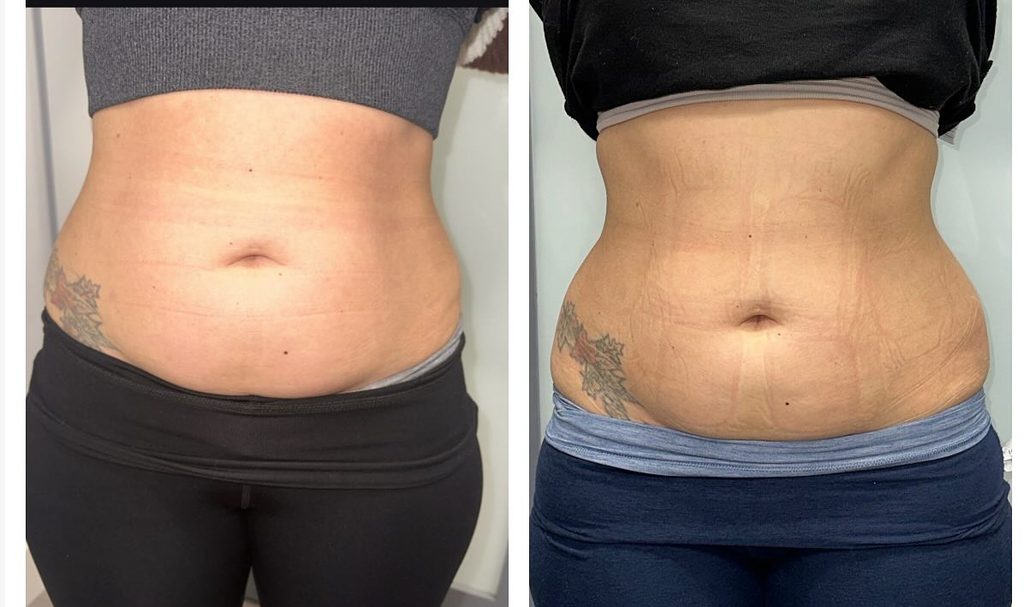







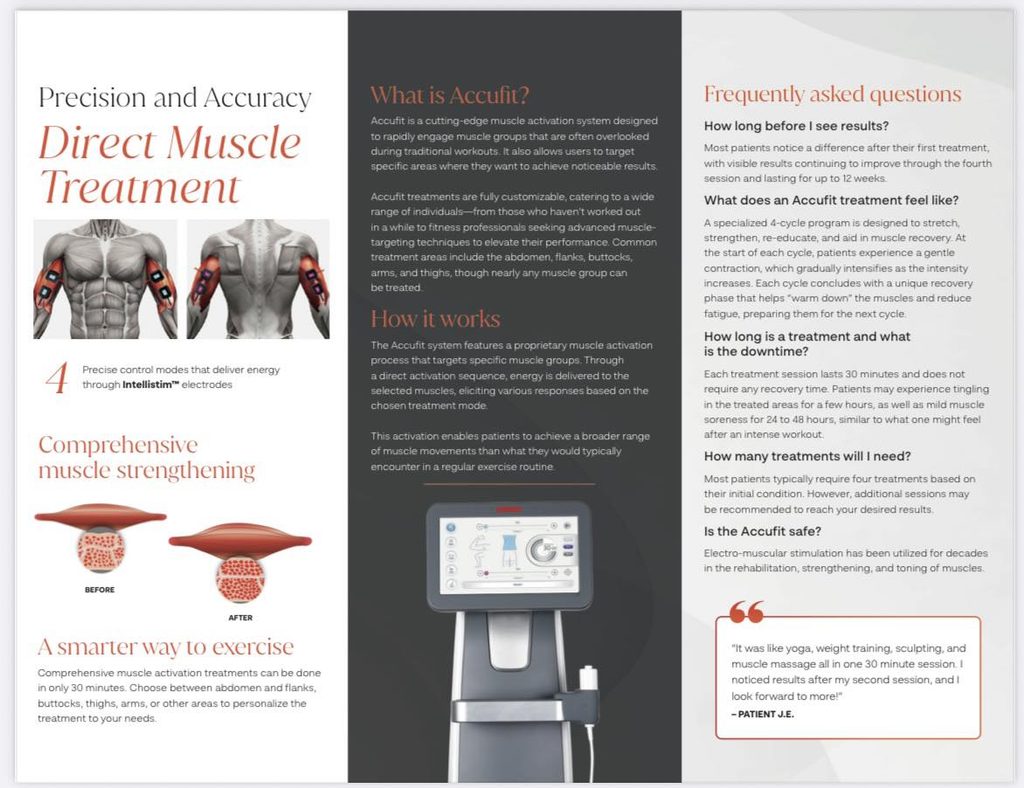

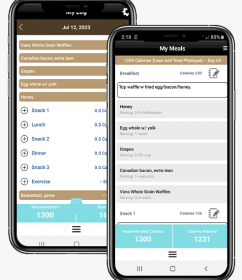
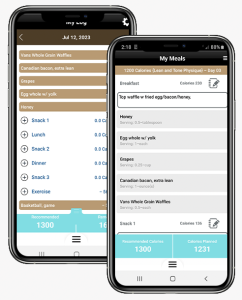 The Crucial Role of Meal Planning in Maximizing Weight Loss with